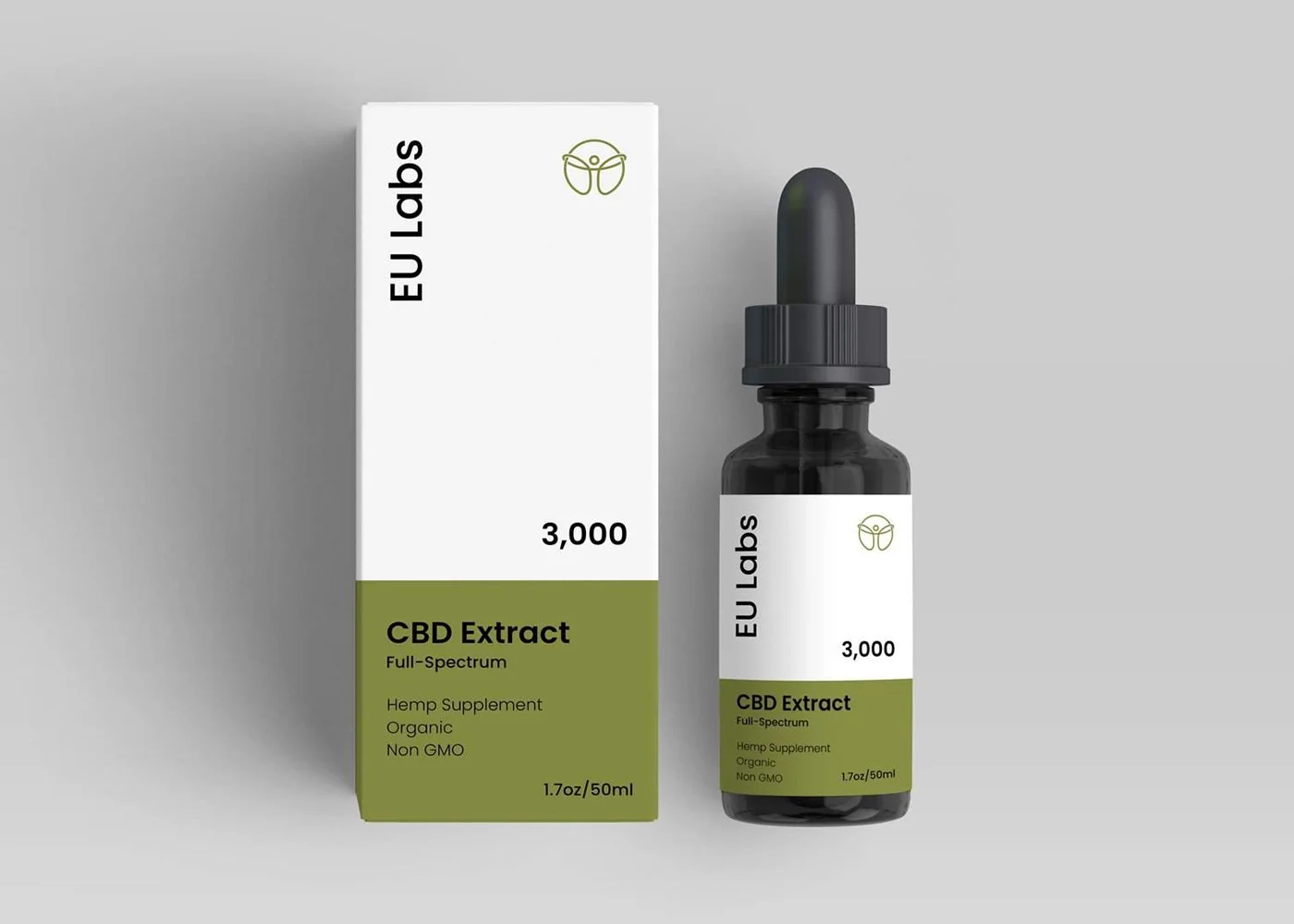
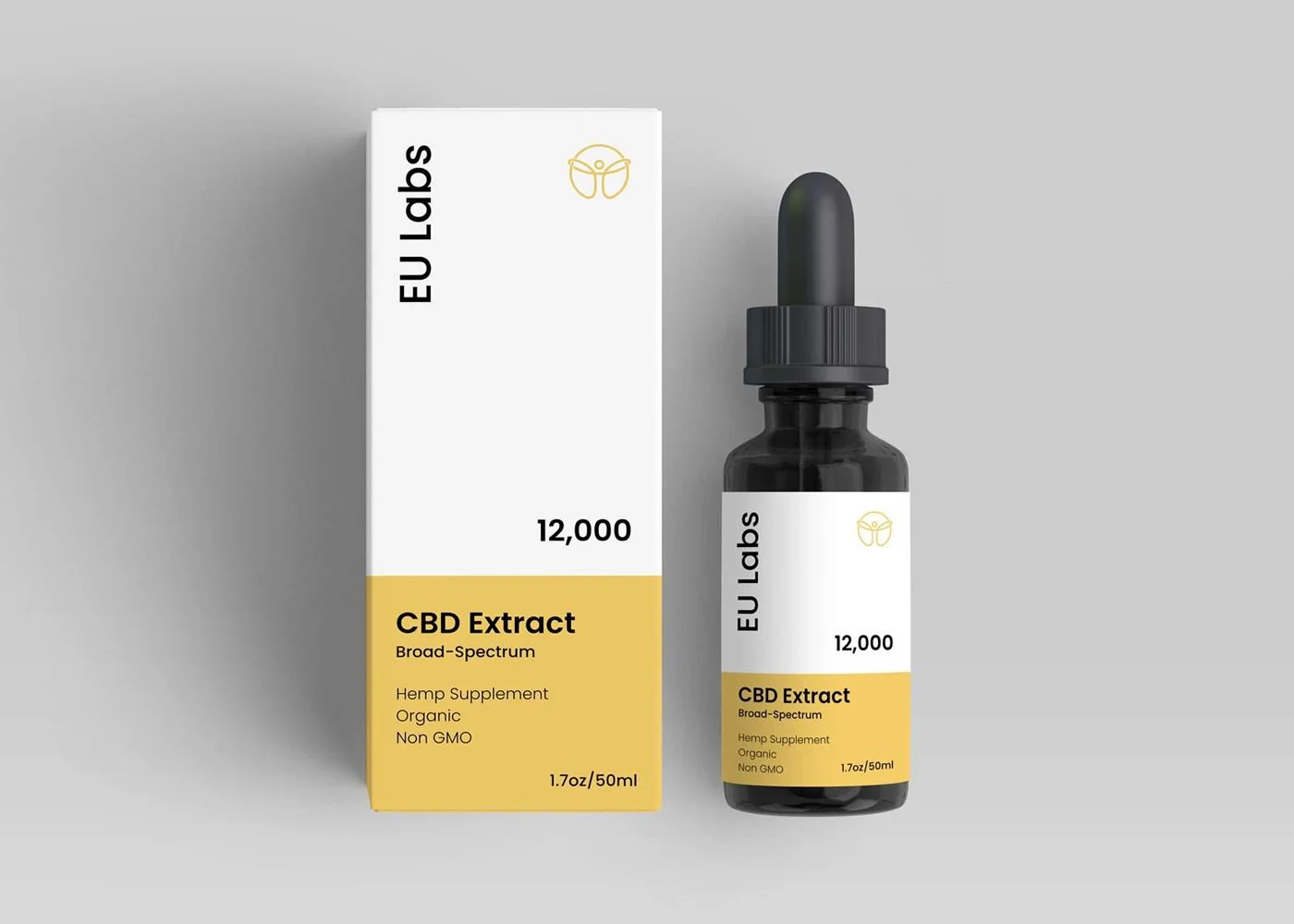
A Certificate of Analysis (COA) for a CBD oil batch tells you what an independent laboratory found in that specific production run — the cannabinoid content, the THC percentage, and the results of a contaminant screen. This guide explains each section of a typical COA so you can verify that what is on the label matches what was found in the bottle.
At FraLa CBD, every batch of oil we stock from EU Labs is tested by a third-party laboratory. We do not publish every COA on the product page, but we send the batch-specific document on request — email enquiries@franklauda.com with the lot number from your bottle. This guide will help you understand the document when it arrives.
What a Certificate of Analysis Is
A COA is a formal document produced by an accredited analytical laboratory after testing a specific sample. It is issued per batch — meaning it reflects the results for a particular production run, identified by a lot number or batch number that matches the one printed on your product packaging.
The COA is not a brand certificate and not a general quality statement. It is test-specific: if the lot number on your bottle is B240315, the COA for that lot records what was found in the samples drawn from that run. A COA from a different batch does not apply to your bottle.
For hemp-derived CBD oils, accredited labs in Australia and internationally use techniques such as high-performance liquid chromatography (HPLC) to identify and quantify cannabinoids. The same or similar methods detect contaminants. The COA records the instrument, the method, the sample weight, and the results.
The Batch Number: How to Match Your Bottle
The single most important step before reading a COA is confirming the batch number matches. Look at the base or side of your bottle for a lot number or batch code — it is usually a sequence of letters and numbers. On the COA, find the field labelled "Batch Number", "Lot Number", "Sample ID" or similar. These must match.
If they do not match, the COA you have received applies to a different production run, not your bottle. Contact us at enquiries@franklauda.com and request the correct document.
At FraLa CBD, we keep batch records linked to every COA so we can send the right one. The how to use guide explains where to find the lot number on the label.
Section 1: Sample Information
The top section of a COA identifies the sample. You will typically see:
- Product name — the oil type and strength (e.g., Full Spectrum CBD Oil 1000mg)
- Batch / lot number — the number to match against your bottle
- Sample received date — when the laboratory received the sample for testing
- Report date — when the laboratory issued the results
- Testing laboratory name and accreditation — look for an accreditation reference such as NATA (National Association of Testing Authorities, Australia) or an equivalent international body
The accreditation of the laboratory matters. An accredited laboratory follows documented methods and is subject to external audits. FraLa CBD uses EU Labs sourced products tested by accredited third-party laboratories.
Section 2: Cannabinoid Profile
This is the core of the COA. The cannabinoid profile section lists each cannabinoid detected, usually as a percentage or in milligrams per gram (mg/g), and sometimes expressed as total milligrams in the stated volume.
For a full-spectrum CBD oil, you should see cannabidiol (CBD) as the dominant compound, alongside smaller quantities of:
- Cannabigerol (CBG) — the precursor cannabinoid the plant uses to build others
- Cannabichromene (CBC) — a minor cannabinoid present in whole-plant hemp extracts
- Cannabinol (CBN) — a minor cannabinoid that appears as the plant material ages
- Delta-9 THC — listed separately, should read under 0.3% for a full-spectrum product
For a broad-spectrum CBD oil, the profile is similar but Delta-9 THC should read 0.00% or ND (not detected). The other cannabinoids remain because the extraction only removes THC, not the rest of the plant profile.
For a CBG oil, the primary compound listed should be cannabigerol, not cannabidiol. For a CBN oil (isolate), the dominant compound should be cannabinol, with everything else at ND.
How to cross-check the label strength
The label on your bottle states the total milligrams of the primary cannabinoid in the bottle — for example, 1000mg in a 50ml bottle. On the COA, if the cannabinoid content is expressed as a percentage, you can convert: a 1000mg / 50ml = 20mg per ml = 2.0% CBD by weight (assuming the density of the oil is approximately 1g/ml). The figures should be consistent within a reasonable analytical tolerance.
If the COA expresses results as mg/g instead of a percentage, multiply by the approximate oil density (~1g/ml) and then by the bottle volume (50ml). The result should approximate the labelled strength.
See the shop page for the label specifications of every product in the FraLa CBD range.
Section 3: THC Percentage
For full-spectrum CBD oil, the Delta-9 THC figure on the COA should be below 0.3%. This is the threshold set by Australian hemp regulations and reflected in the standards EU Labs products are manufactured to.
For broad-spectrum CBD oil and CBN oil (isolate), the COA should show 0.00% or ND (not detected) for Delta-9 THC. If you see any THC value above 0.3% on a COA for a full-spectrum product, or any detectable THC on a broad-spectrum or CBN product, that is a finding to query with the supplier.
The TGA (Australia's Therapeutic Goods Administration) regulates low-THC hemp-derived products and the framework under which they are sold. The COA's THC result is the empirical record for that batch.
From our CBD oil range
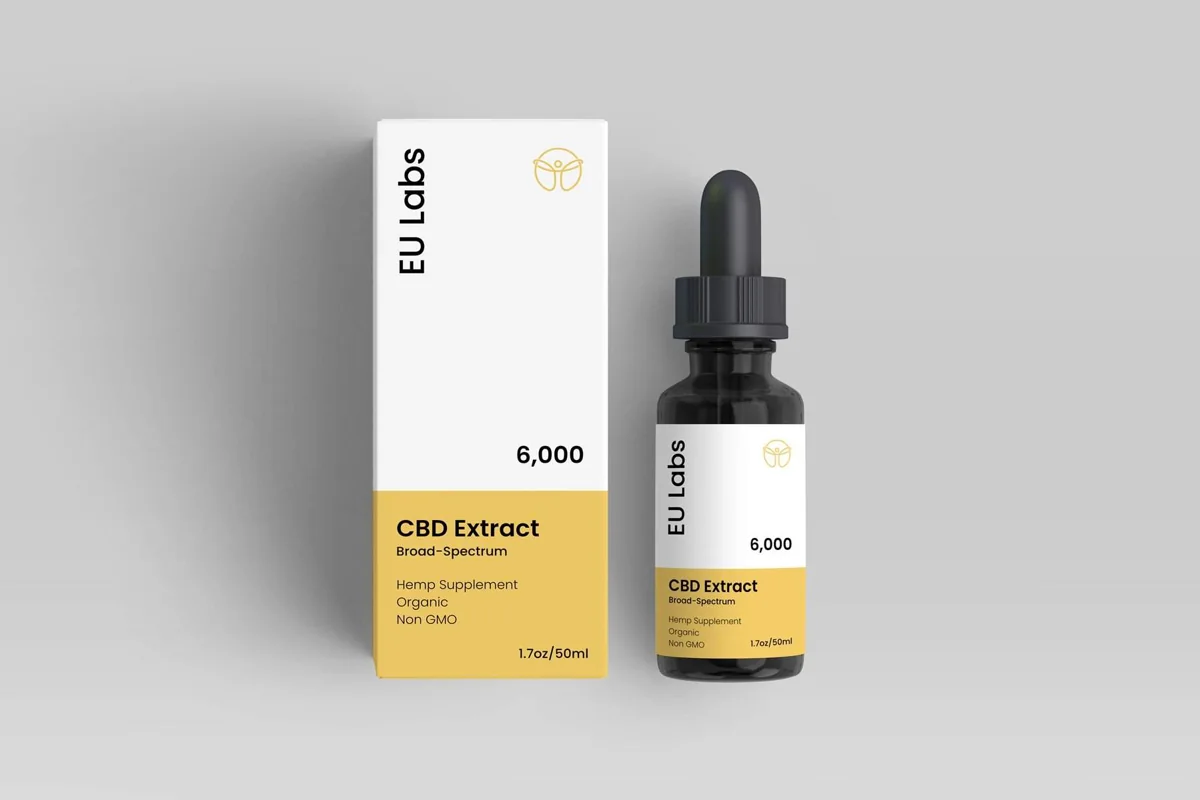
CBD Oil 6000mg – Broad Spectrum
Broad-spectrum CBD — all the supporting cannabinoids and terpenes from the hemp plant, with THC removed. 6000mg in a 50ml MCT bottle (120mg per ml).
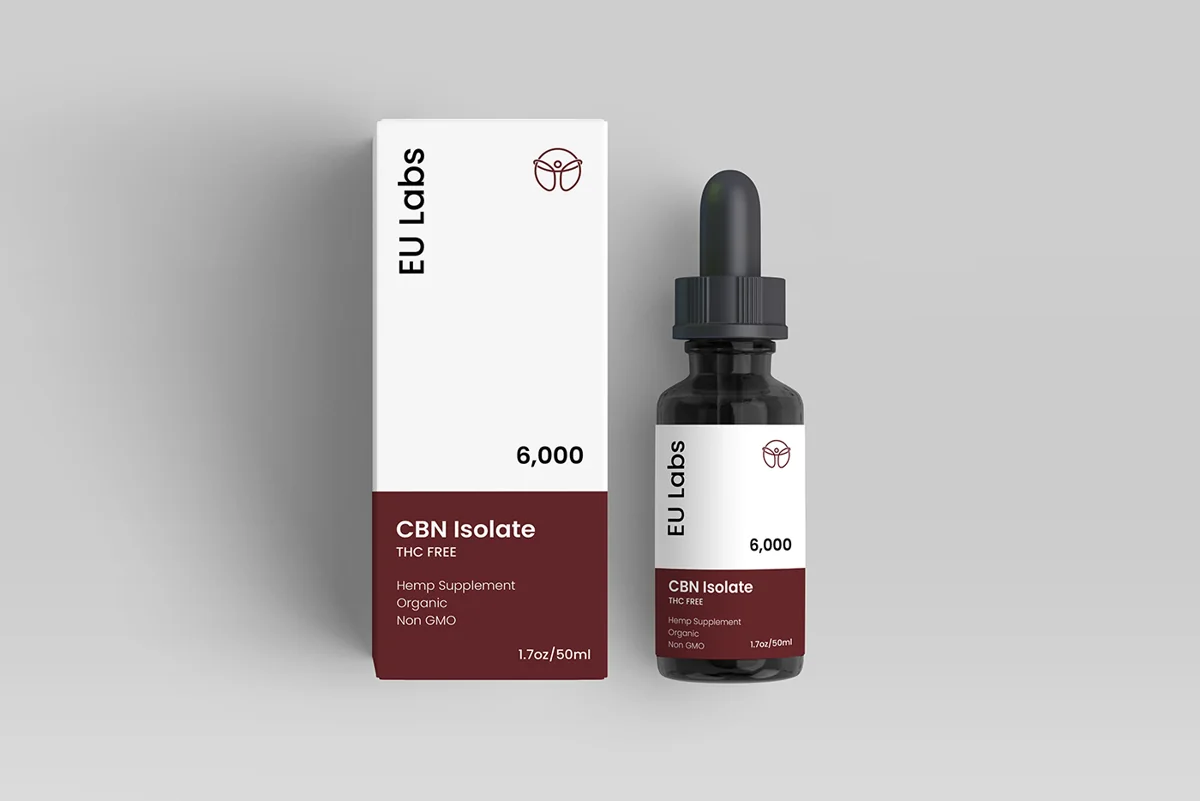
CBN Oil 6000mg – Cannabinol
Cannabinol — the cannabinoid that forms as raw hemp ages. 6000mg of CBN isolate in 50ml of MCT oil (120mg per ml). A common choice for evening routines among people already familiar with CBD.
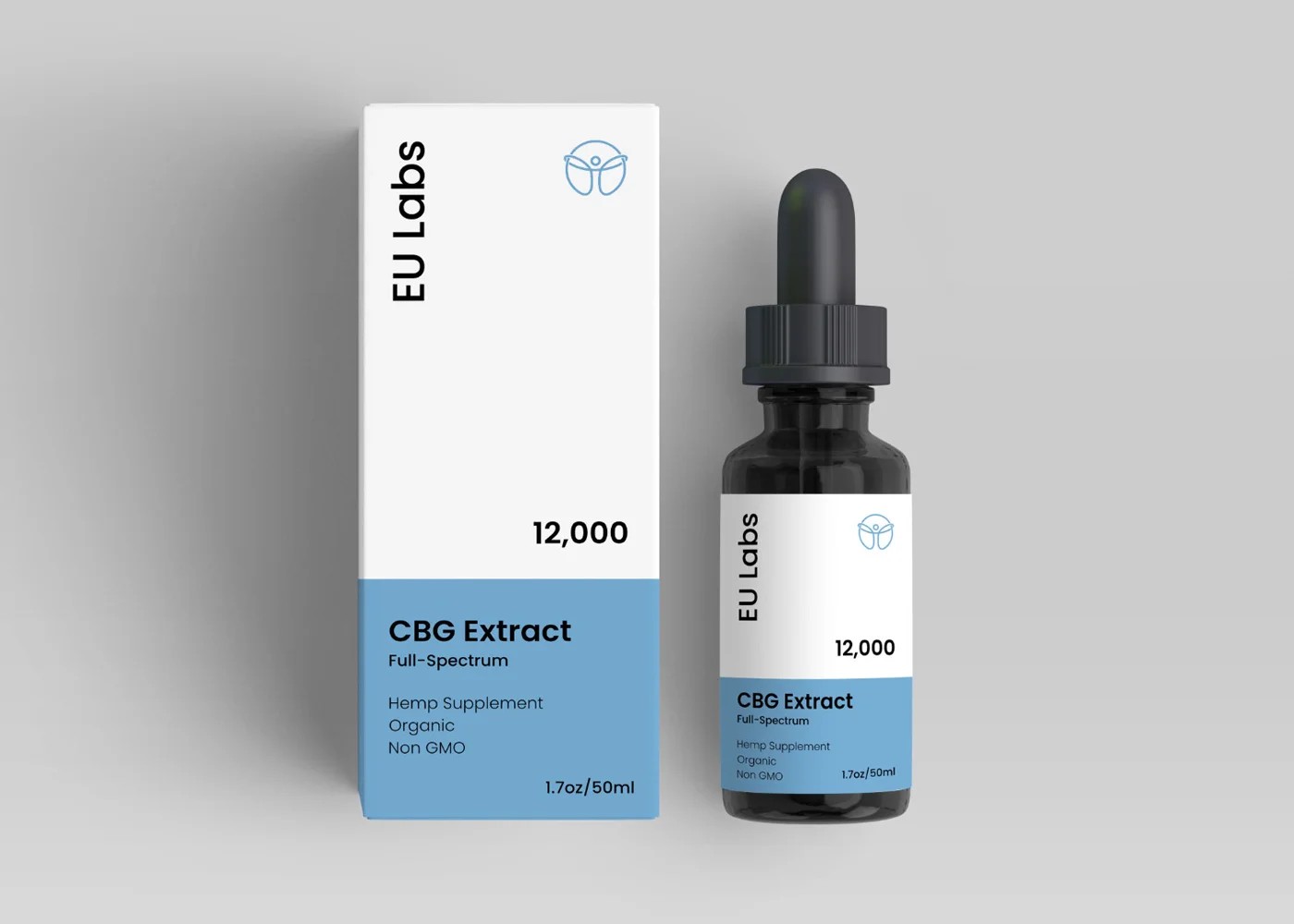
CBG Oil 12000mg – Cannabigerol
Cannabigerol — the cannabinoid the hemp plant uses to make the others as it grows. Less abundant than CBD, which is why CBG oils sit at a different price point. 12000mg in 50ml of MCT carrier (240mg per ml).
Section 4: Contaminant Screen
A complete COA also includes a contaminant screen. This section tests for substances that should not be present in a safe product. Common categories include:
- Pesticide residues — agricultural chemicals used in hemp cultivation
- Heavy metals — lead, cadmium, arsenic, mercury
- Residual solvents — solvents used in extraction that should be removed in the final product
- Microbial contamination — bacteria and moulds
Each analyte will be listed with its detected level and a pass/fail notation against a specified limit. "ND" (not detected) or "BQL" (below quantification limit) against each contaminant is a passing result.
Not every COA includes every category. Some laboratories test for cannabinoids only; a more comprehensive COA tests cannabinoids plus contaminants. If a COA you receive from us covers cannabinoids only, email enquiries@franklauda.com and we can confirm what was included in that batch's testing scope.
Section 5: Laboratory Signature and Accreditation
The COA should be signed or certified by a laboratory analyst or QA manager and should carry the laboratory's name and address. Cross-reference the laboratory's name against the relevant accreditation registry — for Australian labs, the NATA registry at nata.com.au allows you to verify that a laboratory is accredited for the specific method used.
Accreditation is the key differentiator between a legitimate third-party test and an in-house document that carries less weight.
Common Questions About CBD Certificates of Analysis
What is the difference between a COA and a lab report? They are the same thing. "Certificate of Analysis" and "lab report" are used interchangeably for the same document.
Does every batch need its own COA? Yes. A COA issued for batch B240315 does not tell you anything about batch B240401. Batch-specific testing is the standard for a transparent supply chain, and it is how FraLa CBD sources products from EU Labs.
What does "ND" mean on a COA? "Not detected" — the analyte was below the laboratory's limit of detection for that method. For THC on a broad-spectrum product, this is the correct result.
Can I verify the laboratory that issued the COA? Yes. Most laboratories that issue COAs for hemp products are accredited by a national body. In Australia, look for NATA accreditation. The laboratory's name and address on the COA can be checked against the NATA registry.
How do I request the COA for my bottle? Email enquiries@franklauda.com with the lot number from the base of your bottle. We send the matching batch COA. The about page explains how FraLa CBD sources and tests its products.
What if the cannabinoid content on the COA doesn't match the label? A small analytical variance (a few percent) is normal. A large discrepancy — for example, a 1000mg label reading 400mg on the COA — warrants querying with the supplier. Contact us at enquiries@franklauda.com and we will investigate with the batch record.
Buying in Byron Bay
Everything described above ships to Byron Bay and across NSW — including Ballina, Lennox Head, Mullumbimby, Lismore. FraLa CBD sends orders tracked from within Australia, priced in AUD, with the batch Certificate of Analysis available on request.
What a batch COA should show
| Line on the COA | What it tells you |
|---|---|
| Batch / lot number | That the document matches your bottle |
| Cannabinoid profile | Actual mg of CBD, CBG, CBN present |
| THC result | The measured figure, not a claim |
| Test date | How recent the analysis is |
| Issuing laboratory | Whether testing was third-party |
A COA for a different batch tells you nothing about the bottle in your hand.