Whether you can fly with CBD oil in Australia depends on where you are flying, how your product was obtained, and — for international routes — the laws of the destination country. Domestic flights within Australia are a lower-risk scenario for travellers who carry the right documentation. International travel is a separate question entirely, and some destinations treat even trace amounts of THC as a serious criminal matter. This article covers the rules for both, without giving legal advice.
This is general information only. For your specific situation, check the Australian Border Force website and Smartraveller, and consult the relevant authorities before you fly.
Domestic Flights: CBD Oil Between Australian States
Flying with CBD oil between Australian states is governed by Australian federal law and, once you land, by state and territory drug laws. The two layers operate independently — passing through airport security does not mean you have complied with the possession laws of the state you are landing in.
Airport security screening in Australia focuses on weapons, explosives, and prohibited items — not on identifying supplements or pharmaceuticals. If a liquid is flagged during X-ray and identified as a regulated substance, aviation security can refer the matter to state police or the Australian Border Force (ABF).
Carry-on versus checked baggage: The standard aviation liquid restriction applies to carry-on bags — each container must be 100ml or less, with all containers fitting into a single transparent resealable bag no larger than one litre. A standard CBD oil bottle of 50ml falls within that limit. Checked baggage has no liquid volume restriction but remains subject to drug laws.
TGA scheduling matters if questioned. The Therapeutic Goods Administration classifies cannabidiol under the Poisons Standard. Low-dose CBD products meeting specific criteria are Schedule 3 (pharmacist-only, no prescription); higher-dose products require a Schedule 4 prescription. The scheduling of your product determines its legal status if you are questioned.
State and territory laws apply at your destination. Australia does not have a single national drug possession law. When you fly from Byron Bay to Brisbane or Sydney, you cross into a different state jurisdiction. In New South Wales, possessing CBD oil without a valid prescription can attract fines of up to $2,200 and up to six months' imprisonment. In Queensland, the penalty can reach $32,260 for possession without a valid script. Verify current figures with the relevant state authorities before you travel, as laws change.
What to carry on a domestic flight:
- The product in its original labelled packaging
- A prescription and pharmacy label if the product was prescribed
- The batch Certificate of Analysis (COA) — available from FraLa CBD at enquiries@franklauda.com — recording the THC percentage and cannabinoid composition for your specific bottle
For the full regulatory picture, see the CBD oil laws guide.
International Flights From Australia: Customs and Biosecurity
Taking CBD oil on an international flight from Australia involves two distinct legal layers: Australian export rules and the laws of your destination country.
On the Australian departure side, the ABF handles customs and biosecurity. Passengers are required to declare therapeutic goods. The ABF has confirmed that cannabis products — including those containing cannabidiol — are not permitted for importation into Australia under the personal importation scheme; the same general framework applies to goods being exported. Declare any item you are uncertain about — the penalty for non-declaration is a separate offence from possession, and it applies even when the item itself would have been permitted.
Transit countries matter. If you change flights in Singapore or Dubai, you are subject to the laws of those countries even if you do not leave the airport transit zone. This is a point many travellers overlook, and it can have serious consequences on routes from Byron Bay via major Asian hubs.
The Smartraveller website maintained by the Australian Government is the authoritative source for biosecurity and border rules by destination country.
Which Countries Have Zero Tolerance for CBD?
This is the most critical section for international travellers departing from Byron Bay or anywhere in the Northern Rivers.
Japan bans both THC and CBD. Importing cannabis-derived products — regardless of THC level — can result in arrest. Japan does not recognise the hemp-versus-cannabis distinction that Australian regulations apply.
Singapore enforces severe penalties for cannabis possession, including imprisonment. The Singapore Central Narcotics Bureau treats cannabis broadly; travellers have faced arrest for carrying CBD products.
The United Arab Emirates (Dubai, Abu Dhabi) bans ingestible CBD oil. Reports of lengthy sentences for small quantities of CBD have been documented publicly.
Indonesia has zero tolerance for all cannabis-derived products.
Some European countries have more permissive frameworks for low-THC hemp products — for example, Switzerland and the Netherlands allow low-THC CBD in certain forms — but rules vary significantly and change frequently. Do not rely on general summaries; check the specific country's current position. The Smartraveller destination guides are the authoritative source for Australian government assessments of drug laws by country.
This is not an exhaustive list. Always check the specific country's current laws through its embassy or consulate before flying.
Full-Spectrum vs Broad-Spectrum at International Borders
The distinction between full-spectrum and broad-spectrum CBD oil is especially important when crossing international borders.
Full-spectrum CBD oil is a whole-plant hemp extract that retains trace THC — confirmed by the batch COA at under 0.3%. In Australia, this is a legal level. At an international border in a zero-tolerance country, any measurable THC can be treated as cannabis under that country's law, regardless of percentage. A COA showing 0.2% Delta-9 THC does not create a legal defence in Singapore or Japan — it confirms the presence of THC, which is the controlled substance.
Broad-spectrum CBD oil has THC removed to 0% THC, confirmed by the batch COA as not detected. There is no THC in the product. In a zero-tolerance jurisdiction that nonetheless permits certain hemp products (a narrow category), broad-spectrum is the type that does not contain the compound being tested for.
This does not mean broad-spectrum is cleared for international travel everywhere — some countries ban all cannabidiol, regardless of THC content. But the composition risk is materially different between the two types.
For a full breakdown, see the full-spectrum vs broad-spectrum guide and the Certificate of Analysis guide, which explains how to read the THC line on your batch document.
From our CBD oil range
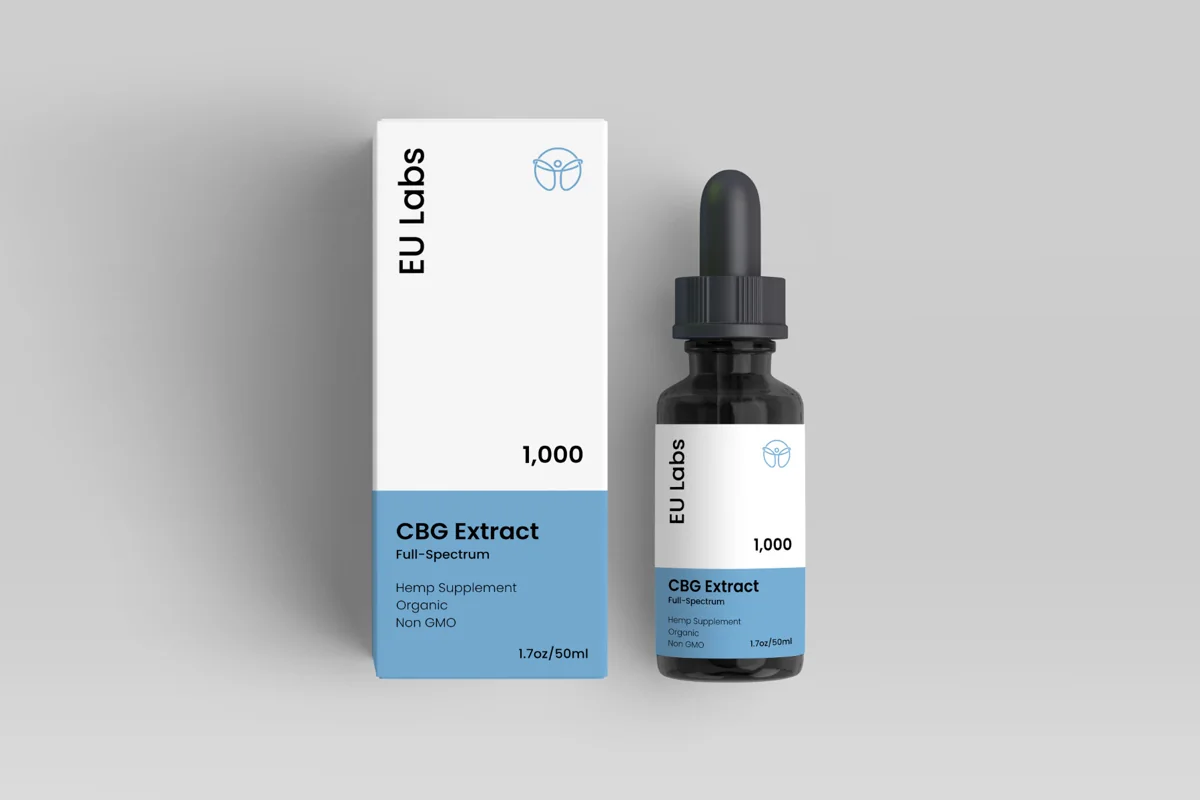
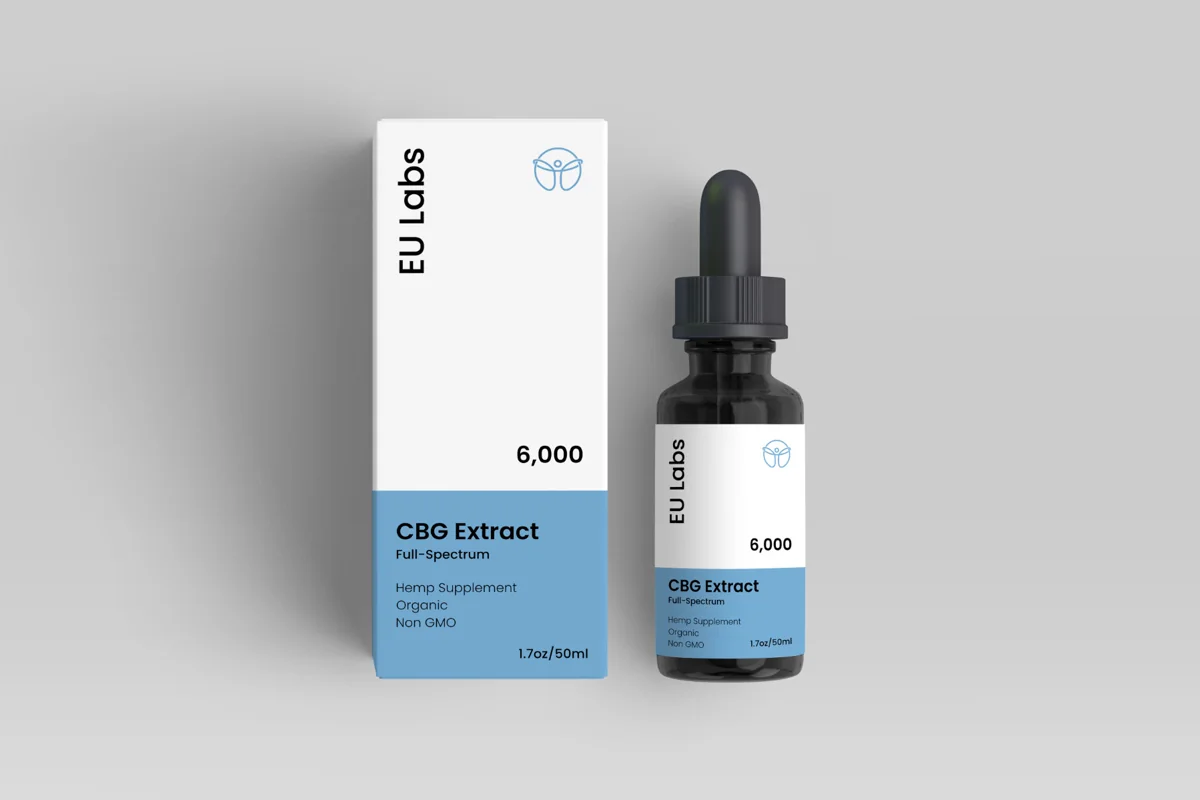
CBG Oil 1000mg – Cannabigerol
Cannabigerol — the cannabinoid the hemp plant uses to make the others as it grows. Less abundant than CBD, which is why CBG oils sit at a different price point. 1000mg in 50ml of MCT carrier (20mg per ml).
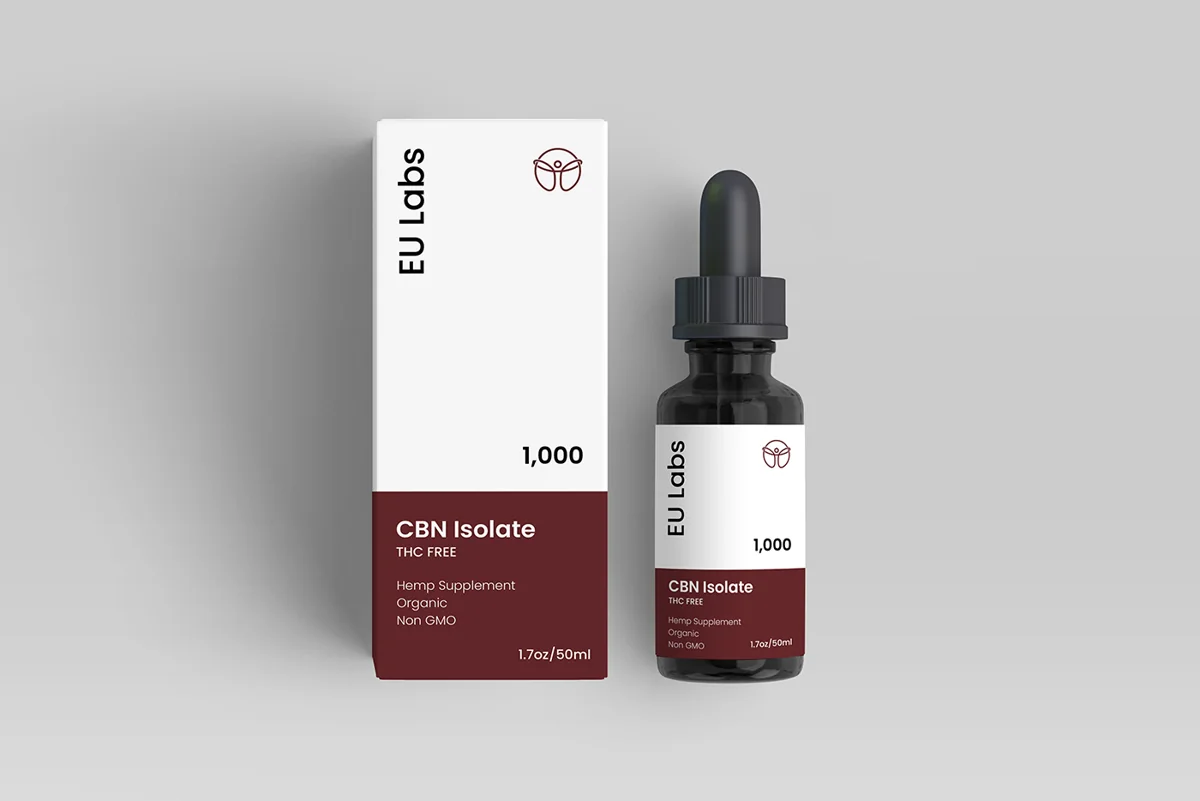
CBN Oil 1000mg – Cannabinol
Cannabinol — the cannabinoid that forms as raw hemp ages. 1000mg of CBN isolate in 50ml of MCT oil (20mg per ml). A common choice for evening routines among people already familiar with CBD.
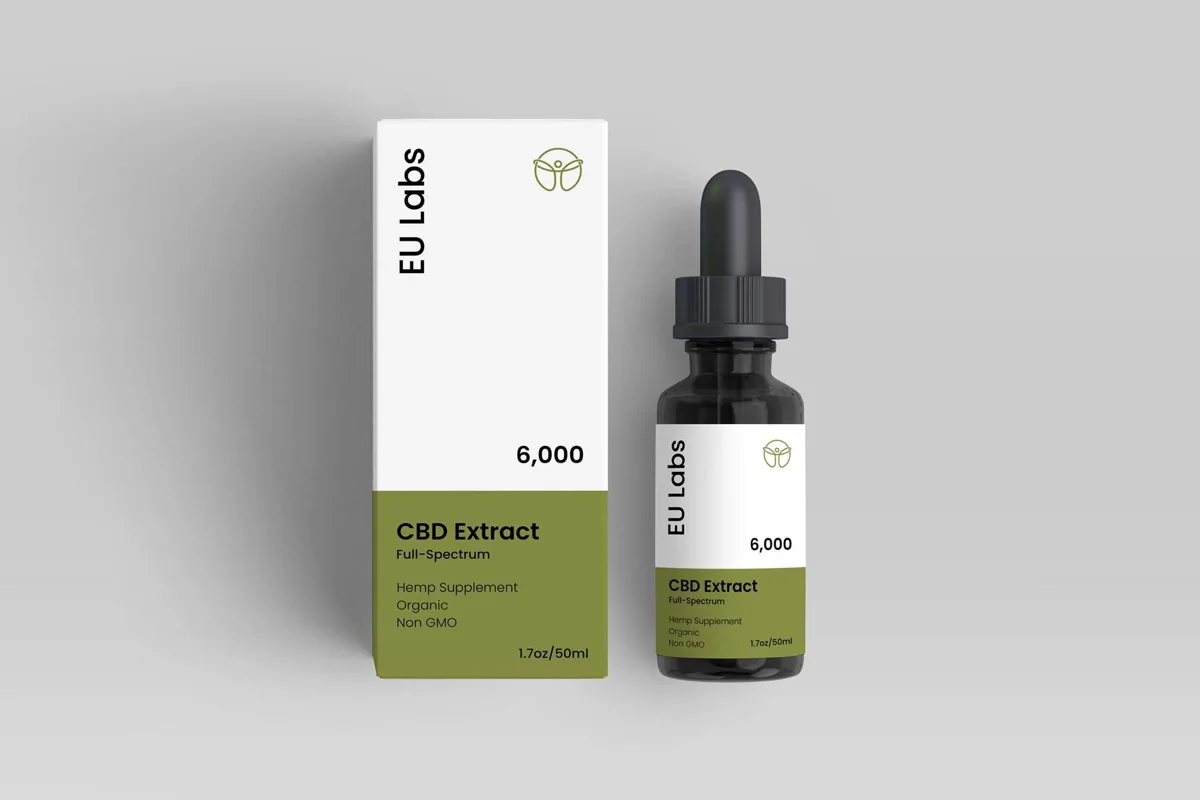
CBD Oil 6000mg – Full Spectrum
The whole-hemp profile — CBD alongside the smaller cannabinoids and terpenes from the same extraction. Trace THC stays under 0.3%. 6000mg in 50ml of MCT oil (120mg per ml).
Tips for Travelling From Byron Bay
Ballina Byron Gateway Airport (BNK/YBNA) serves Byron Bay, Ballina, and the wider Northern Rivers with domestic routes via Jetstar, QantasLink, and Virgin Australia, connecting to major hubs for international departures.
Before any domestic flight:
- Keep CBD oil in original packaging with the label intact
- Request your batch COA from FraLa CBD at enquiries@franklauda.com
- Know the drug possession laws of the state you are flying to, not just the departure state
Before any international flight:
- Check Smartraveller for the destination country's drug laws
- Check whether your transit country has restrictions
- Contact the destination country's embassy in Australia if guidance is unclear
- Consider ordering to your destination address instead: FraLa CBD ships Australia-wide — you can have product waiting in Sydney, Brisbane, or any other city. See CBD oil in Brisbane or CBD oil in Sydney for delivery coverage
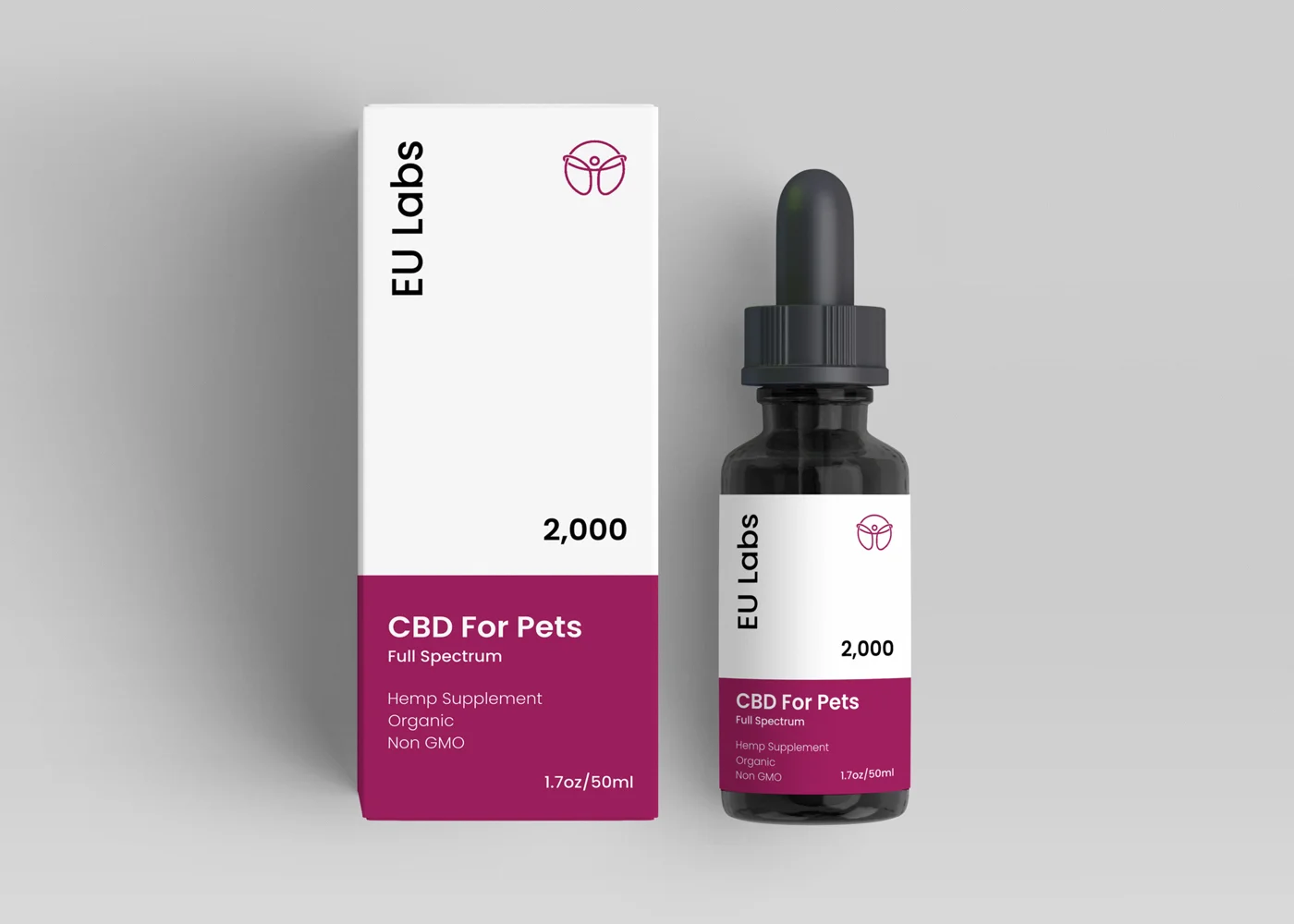
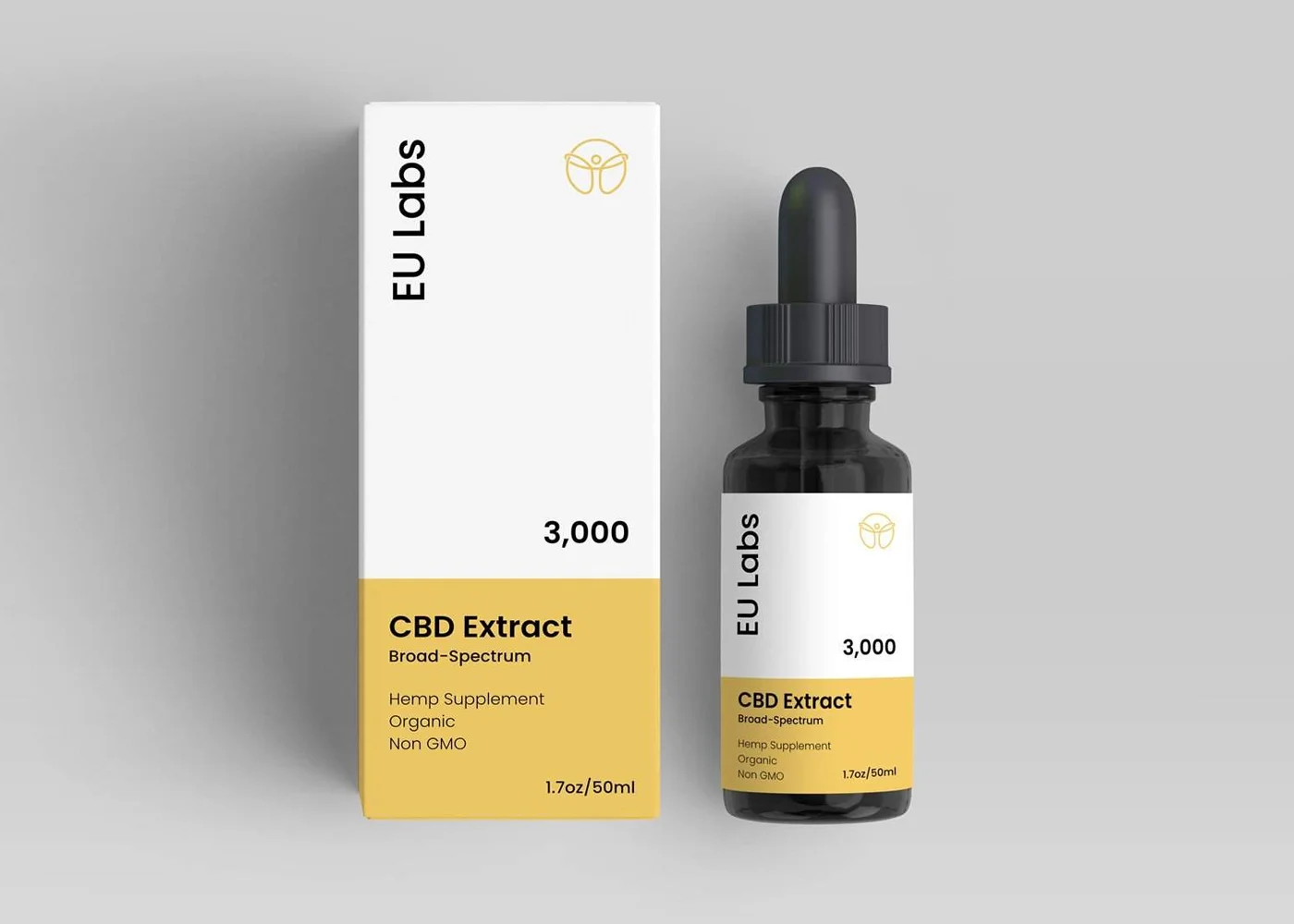
Browse FraLa CBD's full range — full-spectrum, broad-spectrum, CBG oil, CBN oil, and pet CBD oil — on the shop page.
Common Questions About Flying With CBD Oil in Australia
Can you fly with CBD oil on a domestic flight in Australia? Airport security is not primarily scanning for CBD oil, but the product is a regulated substance under Australian law. Carrying it without a prescription may constitute a drug possession offence under state law at your destination. Carry documentation and know the laws of the state you are flying to.
Do I need to declare CBD oil at Australian customs? The Australian Border Force requires travellers to declare therapeutic goods and other regulated products. If you are uncertain whether your product must be declared, declare it — non-declaration is a separate offence with its own penalties.
Is full-spectrum CBD oil allowed on international flights? Full-spectrum CBD oil contains trace THC (under 0.3%). Countries with zero-tolerance cannabis laws — including Japan, Singapore, and the UAE — can treat any detectable THC as a controlled substance, regardless of percentage. Check the destination country's laws via Smartraveller before flying.
Where can I find the official rules for my destination country? The Australian Government's Smartraveller website provides country-by-country travel advice including drug laws. For entry rules specifically, contact the destination country's embassy or consulate in Australia.
This article is information only. It does not constitute legal or regulatory advice. Laws change — check official government sources before you travel.
Byron Bay orders and shipping
For buyers in Byron Bay, this range ships domestically with tracking to Byron Bay and across NSW — including Ballina, Lennox Head, Mullumbimby, Lismore. FraLa CBD lists each product by composition — strength, spectrum and carrier oil — and supplies the batch Certificate of Analysis when you ask for it.
Comparing any two CBD oils
| Check | Why it matters |
|---|---|
| mg per millilitre | The only fair way to compare price between bottle sizes |
| Spectrum | Full, broad and isolate are different products |
| THC figure on the COA | A measured result, not a marketing claim |
| Batch-specific testing | A COA must match your lot number |
| Where it ships from | Domestic dispatch avoids the customs step |