The carrier oil in a CBD oil bottle is not a filler — it is what makes the formula work. CBD is a fat-soluble (lipophilic) compound that dissolves in fats, not water, so it requires a lipid base for sublingual delivery. The two most common carriers in cbd oil australia-wide are MCT oil (medium-chain triglycerides, coconut-derived) and hemp seed oil (cold-pressed from hemp seeds). Both carry the extract. They differ in fatty acid profile, taste, shelf life, texture, and allergen considerations. At FraLa CBD in Byron Bay, NSW, we use MCT across our full range — here is what each carrier is, how they compare, and what to look for on any label.
Why CBD Oil Needs a Carrier Oil
Cannabidiol (CBD) is a fat-soluble molecule. Like vitamins A, D, E and K, it does not dissolve in water. A raw CBD extract is a thick, waxy concentrate — difficult to dose accurately from a dropper and difficult to deliver sublingually. A carrier oil solves this by diluting the extract to a precise concentration in a stable, pourable liquid with a known milligram count per 0.5ml serving.
The carrier makes up the majority of the volume in any CBD oil bottle. The actual cannabidiol — and any other cannabinoids in a full-spectrum or broad-spectrum extract — is a small fraction of that total volume. Which carrier is chosen matters for taste, stability and shelf life, and it is information printed directly on the label. The most common carriers in modern hemp-derived CBD products are MCT oil, hemp seed oil, olive oil, and in some formulations, fractionated coconut oil.
What Is MCT Oil?
MCT oil — medium-chain triglycerides — is a refined fraction derived from coconut. It is not the same as whole coconut oil: whole coconut oil contains a mix of fatty acid chain lengths; MCT contains only the medium-chain portion, primarily caprylic acid (C8) and capric acid (C10).
Because the carbon chain is shorter than in long-chain fatty acids, MCT is processed directly in the liver rather than being packaged into chylomicrons for lymphatic transport. This is a structural-chemistry fact, not a health claim — but it is one reason formulators favour MCT: it is rapidly broken down and generally well-tolerated sublingually.
MCT oil is colourless, odourless, and has a very neutral flavour. The taste you notice in an MCT-based CBD oil comes from the hemp extract itself, not the carrier. From a stability perspective, MCT has a low polyunsaturated fatty acid content compared with hemp seed or flaxseed oils. Polyunsaturated fats oxidise more readily — the chemical degradation that can turn oils rancid and affect the compounds they carry. An MCT carrier is more resistant to this process, supporting a longer stable shelf life under standard cool, dark storage.
Allergen note: MCT oil is coconut-derived. Anyone with a confirmed coconut allergy should check the label before using an MCT-based product.
All five FraLa CBD product families — full-spectrum CBD oil, broad-spectrum CBD oil, CBG oil, CBN oil, and pet CBD oil — use MCT (coconut-derived) as the carrier. Browse the full range at our CBD oil shop.
What Is Hemp Seed Oil?
Hemp seed oil is pressed from the seeds of the hemp plant (Cannabis sativa L.) — the seeds, not the flowers, leaves or stems where cannabidiol is found. Hemp seed oil does not contain significant CBD. It is a food-grade oil available in supermarkets and health food stores; it shares a plant name with CBD oil but is a different product entirely.
As a carrier for CBD, hemp seed oil contributes a different fatty acid profile: it is rich in omega-3 and omega-6 polyunsaturated fatty acids, in a ratio that some formulators consider a selling point. It has an earthy, slightly nutty flavour and a slightly heavier texture than MCT oil.
The key trade-off with hemp seed oil as a carrier is shelf life. Polyunsaturated fats are more susceptible to oxidative degradation when exposed to light, heat and air. Products using a hemp seed oil carrier typically benefit from refrigeration after opening and have a shorter shelf life than equivalent MCT-based formulas. Oxidised carrier oil can affect taste and the quality of the extract it carries — something to consider when comparing products or storing an open bottle.
MCT vs Hemp Seed Oil — Key Differences
| Property | MCT Oil | Hemp Seed Oil |
|---|---|---|
| Source | Coconut (refined medium-chain fraction) | Hemp seeds (cold-pressed) |
| Fatty acid type | Saturated medium-chain (C8, C10) | Polyunsaturated (omega-3, omega-6) |
| Taste | Neutral, odourless | Earthy, nutty |
| Texture | Light, thin liquid | Slightly heavier |
| Shelf life | Longer — oxidation-resistant | Shorter — sensitive to light and heat |
| Storage once opened | Cool, dark place | Refrigeration recommended |
| Allergen note | Coconut-derived | No common allergens |
| Cannabinoid content | None | None |
Both are effective lipid bases for a CBD extract. The choice between them affects taste, texture, and shelf life — not the cannabidiol content, which is set by extract concentration regardless of carrier.
What About Olive Oil and Coconut Oil?
Two other carriers appear on CBD oil labels:
Olive oil is a long-chain fatty acid oil with a mild, characteristic flavour — more common in European products and some early CBD formulations. It is heavier in mouthfeel than MCT and has its own flavour, but it is not an inferior carrier.
Fractionated coconut oil — sometimes listed on labels — is very similar to MCT oil in practice. It is derived from coconut through the same fractionation process and shares MCT's neutral flavour and liquid state at room temperature. The two terms are often used interchangeably on CBD product labels.
MCT has become the most common carrier in online CBD oil products because it combines neutral taste, oxidative stability, and consistent liquid state. That said, a hemp seed oil or olive oil carrier is not a red flag — it is a different formulation choice, with different trade-offs worth reading on the label.
From our CBD oil range
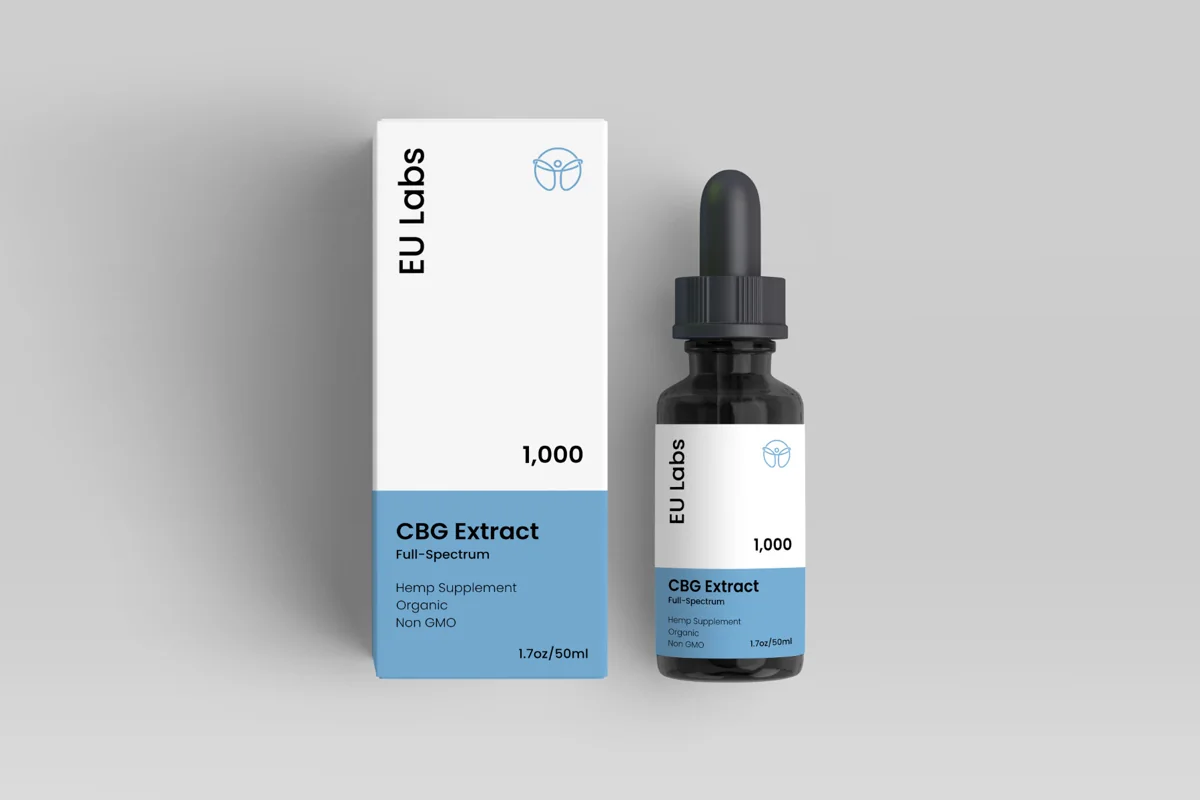
CBG Oil 1000mg – Cannabigerol
Cannabigerol — the cannabinoid the hemp plant uses to make the others as it grows. Less abundant than CBD, which is why CBG oils sit at a different price point. 1000mg in 50ml of MCT carrier (20mg per ml).
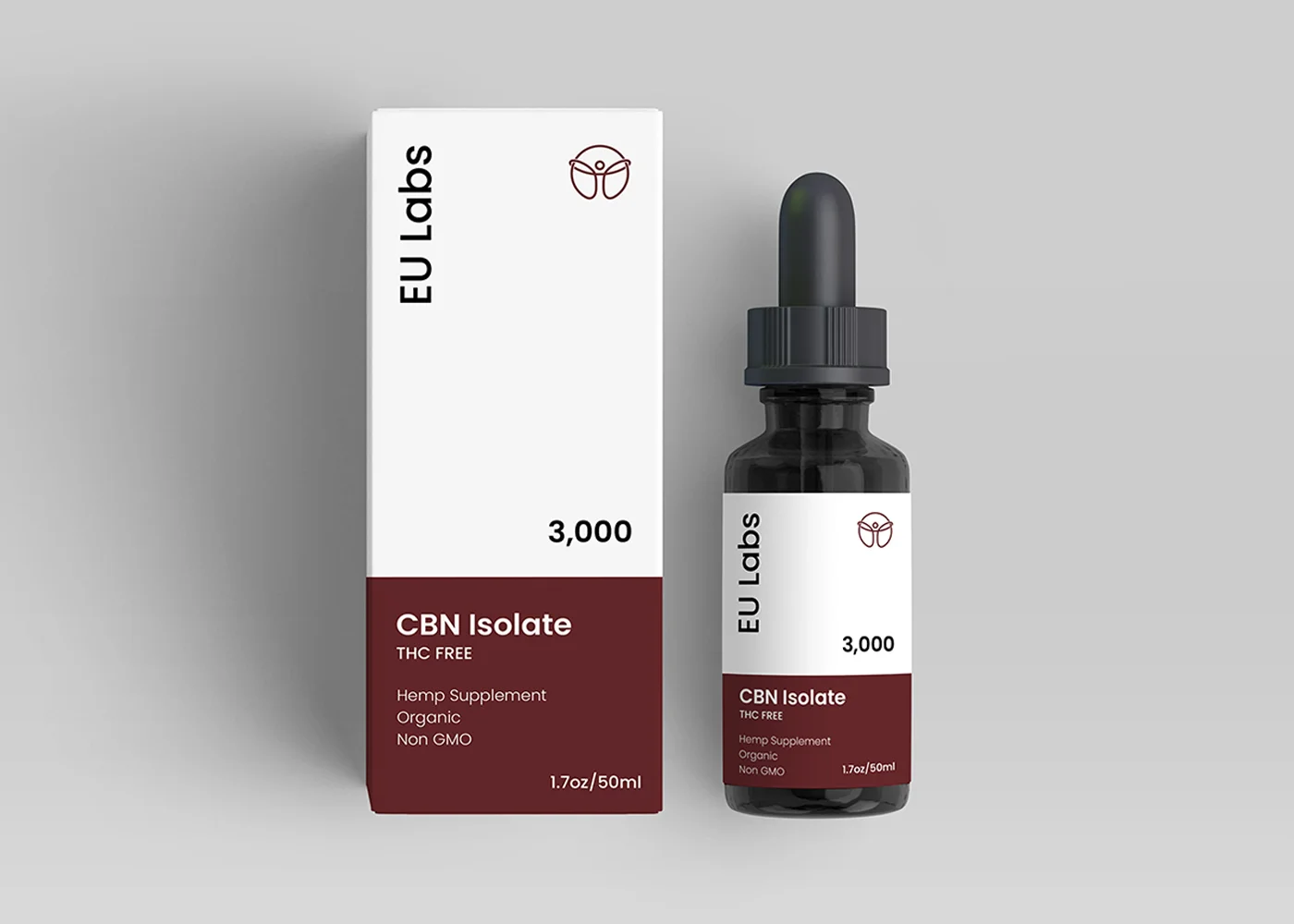
CBN Oil 3000mg – Cannabinol
Cannabinol — the cannabinoid that forms as raw hemp ages. 3000mg of CBN isolate in 50ml of MCT oil (60mg per ml). A common choice for evening routines among people already familiar with CBD.
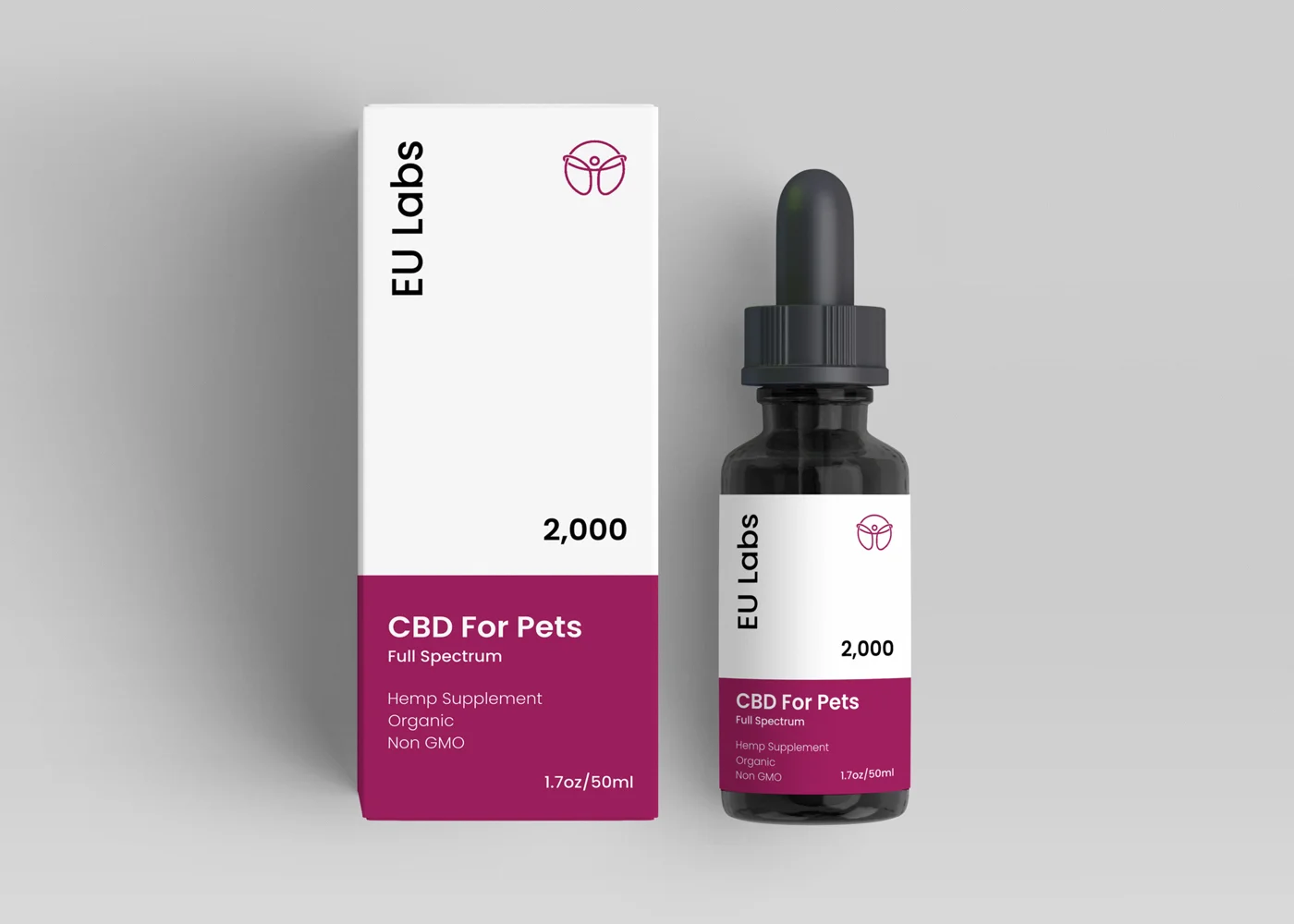
Pet CBD Oil 2000mg – Full Spectrum
Pet-formulated CBD oil — same hemp source as our human range, neutral MCT carrier, no human-targeted flavours or sweeteners. 2000mg in 50ml of MCT oil (40mg per ml). Best introduced under guidance from your vet.
Carrier Oil on the Label: What to Look For
The carrier oil is listed in the ingredients section of any CBD oil label. Common terms:
- MCT oil: "MCT oil", "MCT oil (coconut-derived)", "fractionated coconut oil", or the INCI name "Caprylic/Capric Triglyceride"
- Hemp seed oil: "hemp seed oil" or the botanical INCI name "Cannabis sativa seed oil"
- Olive oil: "olive oil" or "Olea europaea fruit oil"
Note: if a label says "Cannabis sativa seed oil", that is hemp seed oil (from the seeds), not CBD extract (from the aerial parts). The cannabinoid content in the product comes from the hemp extract or isolate listed separately.
The batch Certificate of Analysis confirms the cannabinoid profile — see the guide to reading a CBD Certificate of Analysis for how to work through each section. For the regulatory context around CBD oil in Australia, the CBD oil laws in Australia guide covers the TGA scheduling framework.
The Carrier FraLa CBD Uses — and Why
FraLa CBD uses MCT oil (coconut-derived) across all product families. Every bottle in the range — full-spectrum, broad-spectrum, CBG oil, CBN oil, and pet CBD oil — delivers the extract in a neutral, stable, liquid MCT base. The carrier is listed on every label, and the batch records we hold for our EU Labs-sourced products confirm the formulation.
The full-spectrum vs broad-spectrum comparison covers how those two families differ in cannabinoid composition — the carrier (MCT) is the same in both.
FraLa CBD ships tracked from Byron Bay across NSW — including Lismore, Ballina and Tweed Heads — and Australia-wide. See CBD oil Cairns or CBD oil Townsville for Queensland delivery details, or browse the full range at the FraLa CBD shop.
Common questions about CBD oil in Australia
Is MCT oil the same as coconut oil? No. MCT oil is a refined medium-chain fraction of coconut, always liquid at room temperature. Whole coconut oil contains a broader mix of fatty acid chain lengths and is solid below roughly 24°C. MCT is more neutral in flavour and more consistent in liquid form for dropper use.
Is hemp seed oil the same as CBD oil? No. Hemp seed oil is pressed from hemp seeds and contains no significant cannabidiol. CBD oil contains cannabidiol extracted from the flowers, leaves and stems of the hemp plant. A bottle labelled "hemp oil" in a supermarket is almost certainly hemp seed oil — not a CBD product.
Does the carrier oil affect the taste of CBD oil? Yes. MCT is neutral, so the flavour in an MCT-based CBD oil comes from the hemp extract. Hemp seed oil adds an earthy, nutty note. Olive oil adds mild fruitiness. If you find CBD oil taste strong, look for an MCT-based formula as the most neutral option.
Does the carrier oil change how much CBD is in the bottle? No. A 1000mg CBD oil in an MCT base and a 1000mg CBD oil in a hemp seed oil base both contain 1000mg of CBD in the bottle. What differs is the fatty acid profile, taste, and shelf life of the carrier — not the cannabinoid content.
What carrier does FraLa CBD use? MCT oil (coconut-derived) across all product families — full-spectrum, broad-spectrum, CBG, CBN, and pet. Listed on every label. The batch COA confirms cannabinoid content; request yours at enquiries@franklauda.com.
Delivery to Byron Bay
If you are ordering from Byron Bay, delivery is domestic and tracked. FraLa CBD dispatches to Byron Bay and across NSW — including Ballina, Lennox Head, Mullumbimby, Lismore, with the same batch-tested stock listed on the shop page. Ask for the Certificate of Analysis for your bottle's lot number at any point.
Hemp seed oil is not CBD oil
| Hemp seed oil | CBD oil | |
|---|---|---|
| Pressed or extracted from | Seeds | Leaves, stems, flowers |
| Cannabidiol content | None of note | The primary compound |
| Sold as | Food ingredient | Composition-described product |
| Shows on a COA | No cannabinoids | Full cannabinoid profile |
Both are legitimate products. They are not interchangeable, and the label should make clear which one you are buying.