Hemp seed oil and CBD oil both come from Cannabis sativa L., but they are entirely different products with different compositions, different regulatory categories, and different places on the shelf. Hemp seed oil is pressed from the seeds and contains no cannabinoids. CBD oil is extracted from the flowers and leaves and contains cannabidiol. If you have been picking up hemp seed oil at a health food store in Byron Bay and wondering whether it is the same as CBD oil, the answer is no — and this guide explains why.
What Is Hemp Seed Oil?
Hemp seed oil is produced by cold-pressing the seeds of the Cannabis sativa L. plant. The seeds themselves are the key word here. The seeds of the hemp plant do not produce or store significant cannabinoids — the resin that carries cannabidiol (CBD), THC, and other cannabinoids is concentrated in the flowers, leaves, and stems of the plant, not in the seed.
Cold pressing is a purely mechanical process: seeds are pressed under controlled pressure to release the oil they contain. No solvents, no heat, no extraction chemistry. What comes out is an oil with the fatty acid profile of the seed — notably rich in omega-3 and omega-6 fatty acids and gamma-linolenic acid (GLA).
In Australia, hemp seed oil is classified as a food product regulated under the Australia New Zealand Food Standards Code. It has been legally sold as a food product since 2017. You will find it in the cooking oil aisle, the health food section of supermarkets, and in health stores across NSW and nationally. The FSANZ Food Standards Code sets the compositional requirements for hemp seed products sold for human consumption.
A 100ml bottle of hemp seed oil at a supermarket is a food product, not a therapeutic good. The label lists it as an ingredient — "cold pressed hemp seed oil" — and shows no milligrams of cannabinoid content, because there are none of significance.
What Is CBD Oil?
CBD oil (also called cannabidiol oil or hemp extract) is produced from the aerial parts of the hemp plant — specifically the flowers, leaves, and stems — where the cannabinoid-producing glands are concentrated. The extraction process is entirely different from cold pressing: it uses CO2, ethanol, or other solvent-based techniques that capture the cannabinoid and terpene profile of the plant.
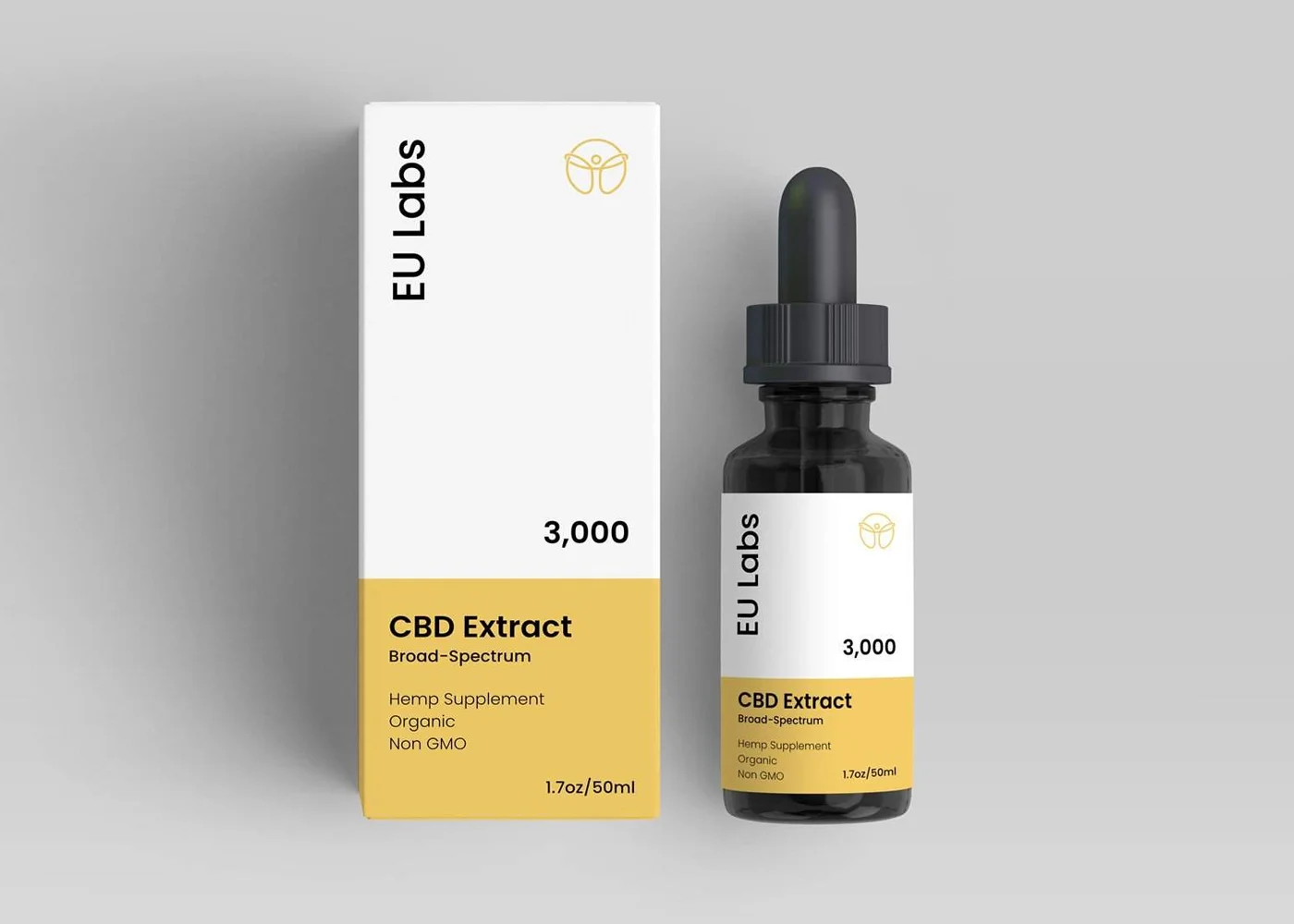
After extraction, the raw extract is combined with a carrier oil to produce the finished product. At FraLa CBD, the carrier is MCT oil — a neutral, coconut-derived medium-chain triglyceride oil.
The composition of CBD oil includes:
- Cannabidiol (CBD) as the primary compound, at a concentration reflected in the milligram figure on the label (e.g., 1000mg in a 50ml bottle)
- Minor cannabinoids such as cannabigerol (CBG), cannabichromene (CBC), and cannabinol (CBN) — present in smaller amounts in whole-plant extracts
- Terpenes — aromatic plant compounds that are part of the hemp plant's chemistry
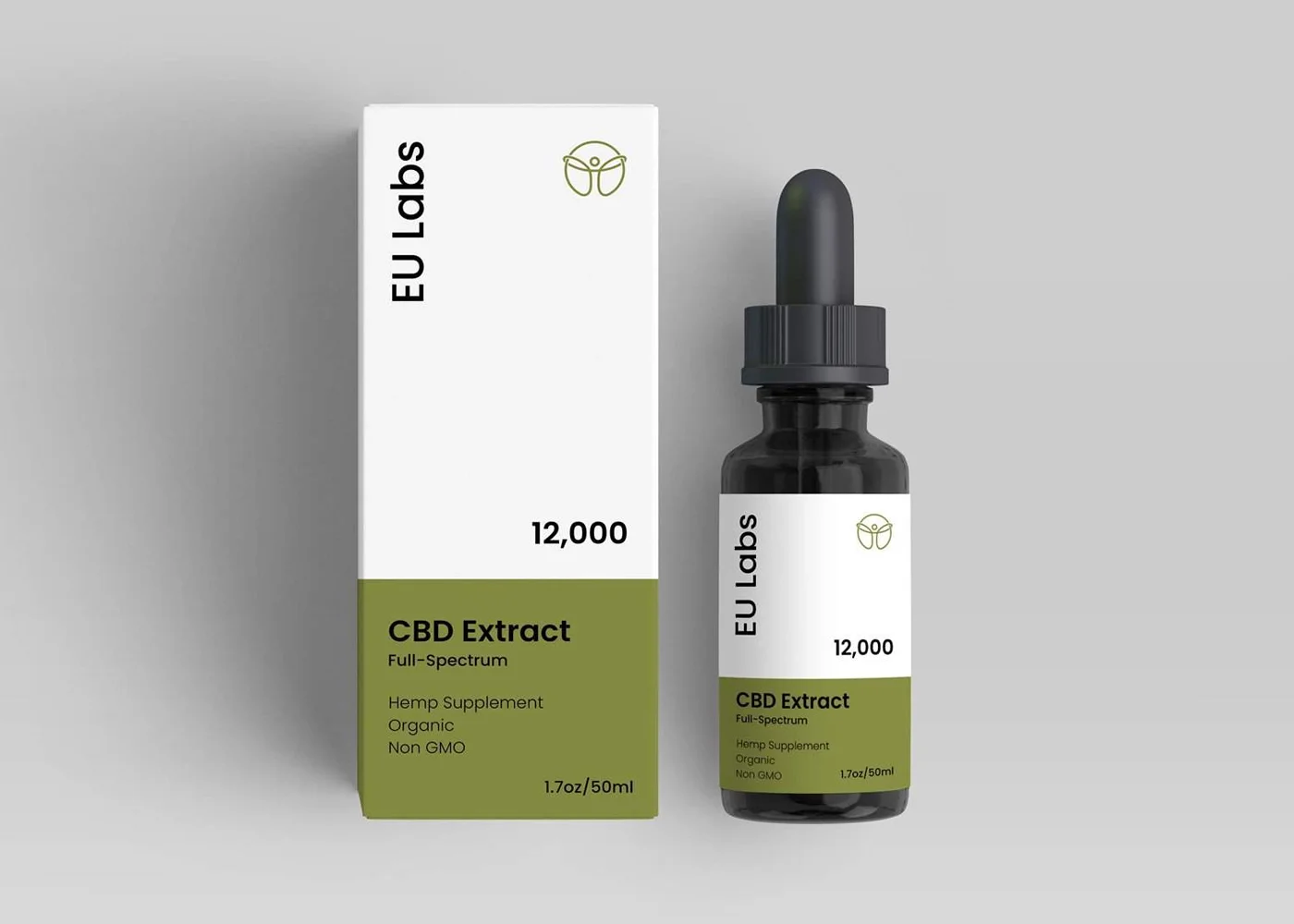
- Trace THC — in a full-spectrum CBD oil, Delta-9 THC is present at under 0.3% as confirmed by the batch Certificate of Analysis; in a broad-spectrum CBD oil, THC is removed to 0% THC
In Australia, CBD oil is classified as a therapeutic good under the Therapeutic Goods Administration's Poisons Standard. Low-dose CBD products meeting specific criteria can be sold as Schedule 3 (pharmacist-supervised, no prescription required) or higher-dose products as Schedule 4 (prescription required). Hemp-derived CBD oils sold as consumer products sit in a separate regulatory space — see the FraLa CBD guide to CBD oil laws in Australia for the full regulatory picture.
The Key Composition Differences Side by Side
| Hemp Seed Oil | CBD Oil | |
|---|---|---|
| Plant source | Hemp seeds | Hemp flowers, leaves, stems |
| Extraction method | Cold pressing (mechanical) | CO2 / ethanol extraction |
| Primary compounds | Omega-3, omega-6 fatty acids, GLA | Cannabidiol (CBD), minor cannabinoids, terpenes |
| Cannabinoid content | Negligible / nil | Yes — stated in mg on label |
| THC | Nil | Trace (<0.3%) or 0% depending on type |
| Carrier oil | Is the finished oil itself | Typically MCT, olive, or hemp seed oil |
| Regulatory category (AU) | Food (FSANZ Code) | Therapeutic (TGA-scheduled) |
| Sold where | Supermarkets, health food stores | Pharmacies (Schedule 3), online stores |
How to Read the Label
The single most practical tool for telling hemp oil from CBD oil is the product label.
Hemp seed oil labels look like food labels. The ingredients panel reads something like "100% cold pressed hemp seed oil" or "Cannabis sativa seed oil". There is no milligram figure for cannabidiol. There is no Certificate of Analysis reference. It sits in the food category and is labelled as such.
CBD oil labels are different. A properly labelled CBD oil states the total milligram content of cannabidiol in the bottle — for example, 1000mg CBD per 50ml bottle. It specifies the spectrum type (full-spectrum or broad-spectrum). It references a Certificate of Analysis or batch testing. These are the distinguishing markers.
The complication in Australia is the term "hemp extract". Some products use this phrase when they contain cannabinoids, because the regulatory environment around the word "CBD" has historically been complex. If a label says "hemp extract" and provides a milligram figure for cannabidiol, it is a CBD oil regardless of the term used. If it shows no cannabinoid milligram figure and no COA reference, it is most likely a food-grade product.
When in doubt: look for the cannabinoid milligrams and the COA reference. Those are the hallmarks of a CBD oil. Their absence is the hallmark of a food-grade hemp seed oil.
Regulatory Differences in Australia
The regulatory divide between hemp seed oil and CBD oil in Australia is clear, even if labelling sometimes blurs it.
Hemp seed oil is a food product. It is permitted for sale in supermarkets, health food stores, and online as a food ingredient or supplement. The Australia New Zealand Food Standards Code governs its composition and labelling. The Food Standards Australia New Zealand (FSANZ) website at foodstandards.gov.au is the authoritative source for the food standard requirements.
CBD oil is a therapeutic good regulated by the TGA (Therapeutic Goods Administration) under the Poisons Standard. The scheduling framework:
- Schedule 3 — Low-dose CBD products (up to 150mg per pack) with low THC, supplied by a pharmacist after a consultation, no GP prescription required
- Schedule 4 — Higher-dose CBD products and prescription medical cannabis products requiring a doctor's prescription
Online stores selling hemp-derived CBD products operate in a space that sits outside the formal registered medicine pathway. The TGA website provides current scheduling information. FraLa CBD describes its products' composition and does not provide regulatory or medical advice.
From our CBD oil range
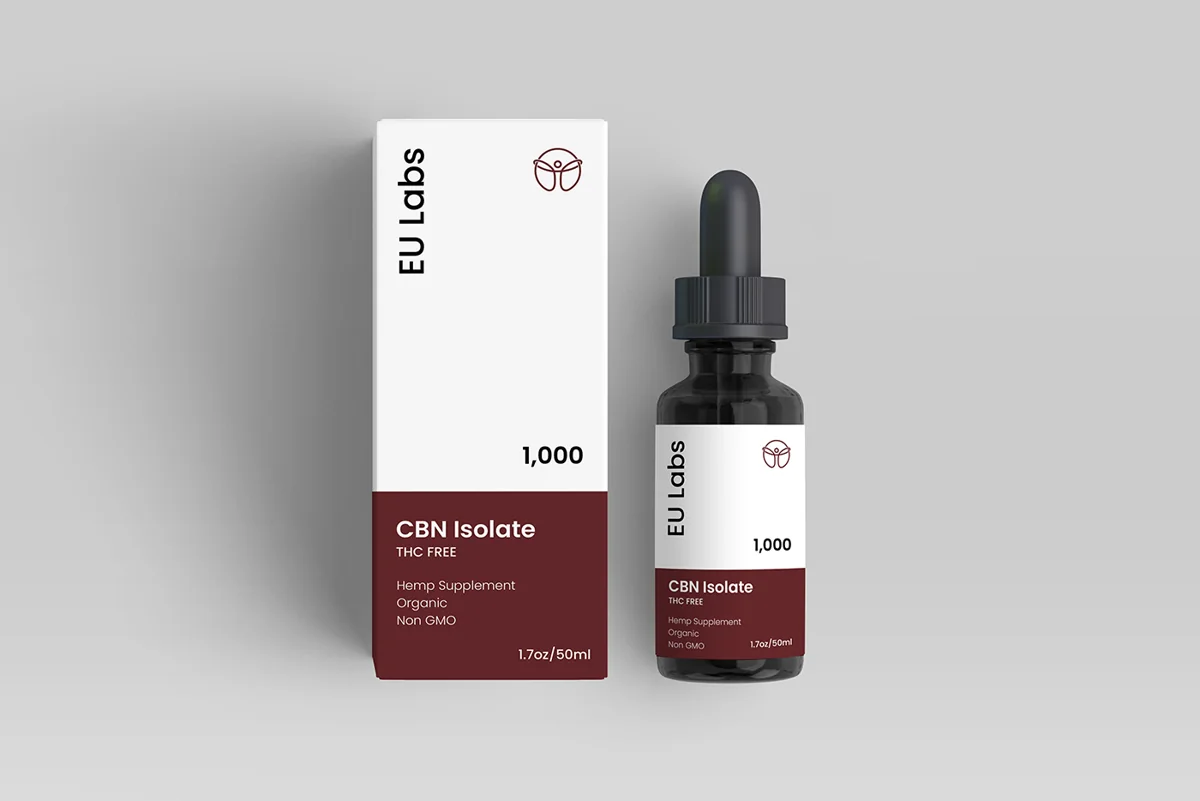
CBN Oil 1000mg – Cannabinol
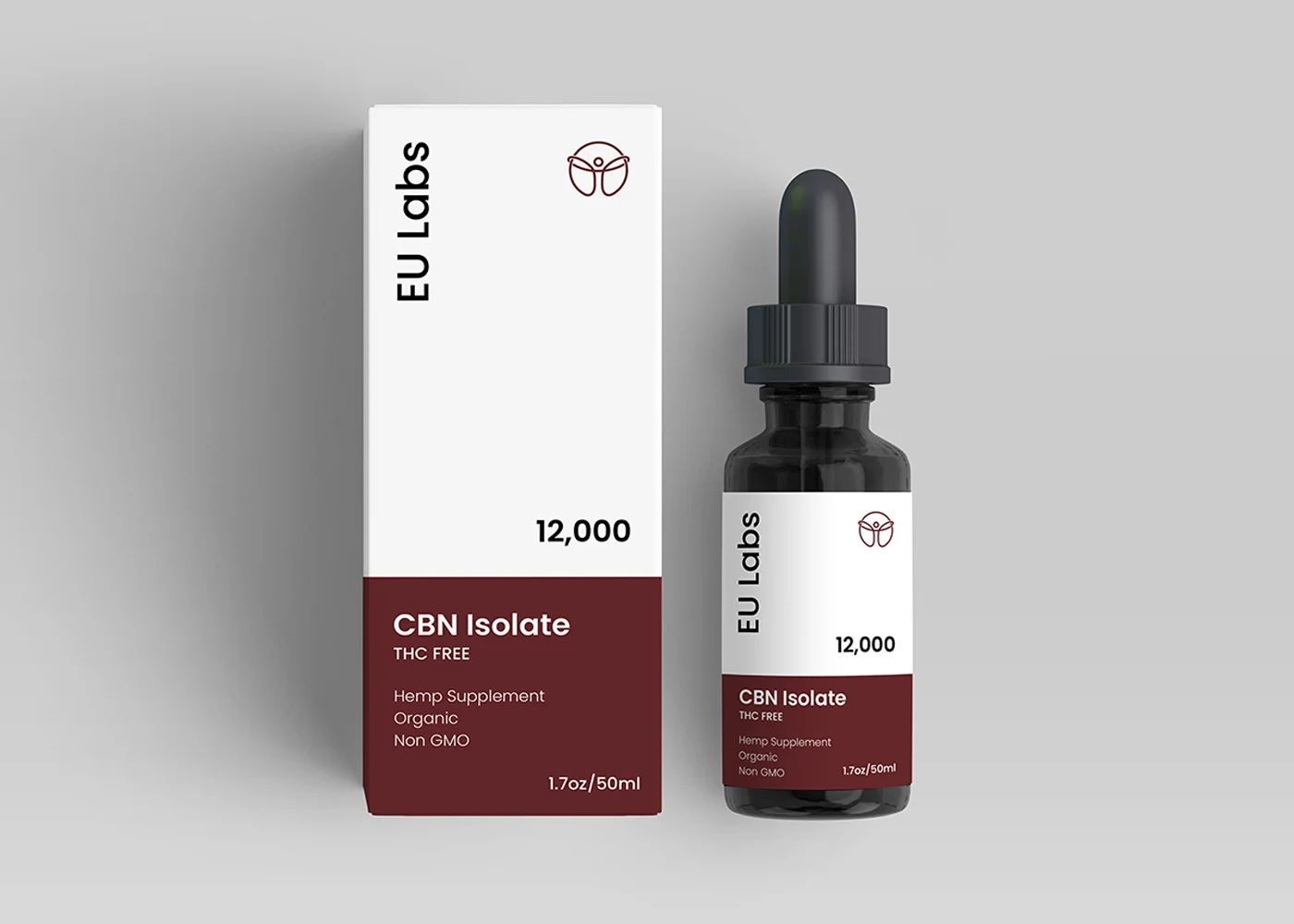
Cannabinol — the cannabinoid that forms as raw hemp ages. 1000mg of CBN isolate in 50ml of MCT oil (20mg per ml). A common choice for evening routines among people already familiar with CBD.
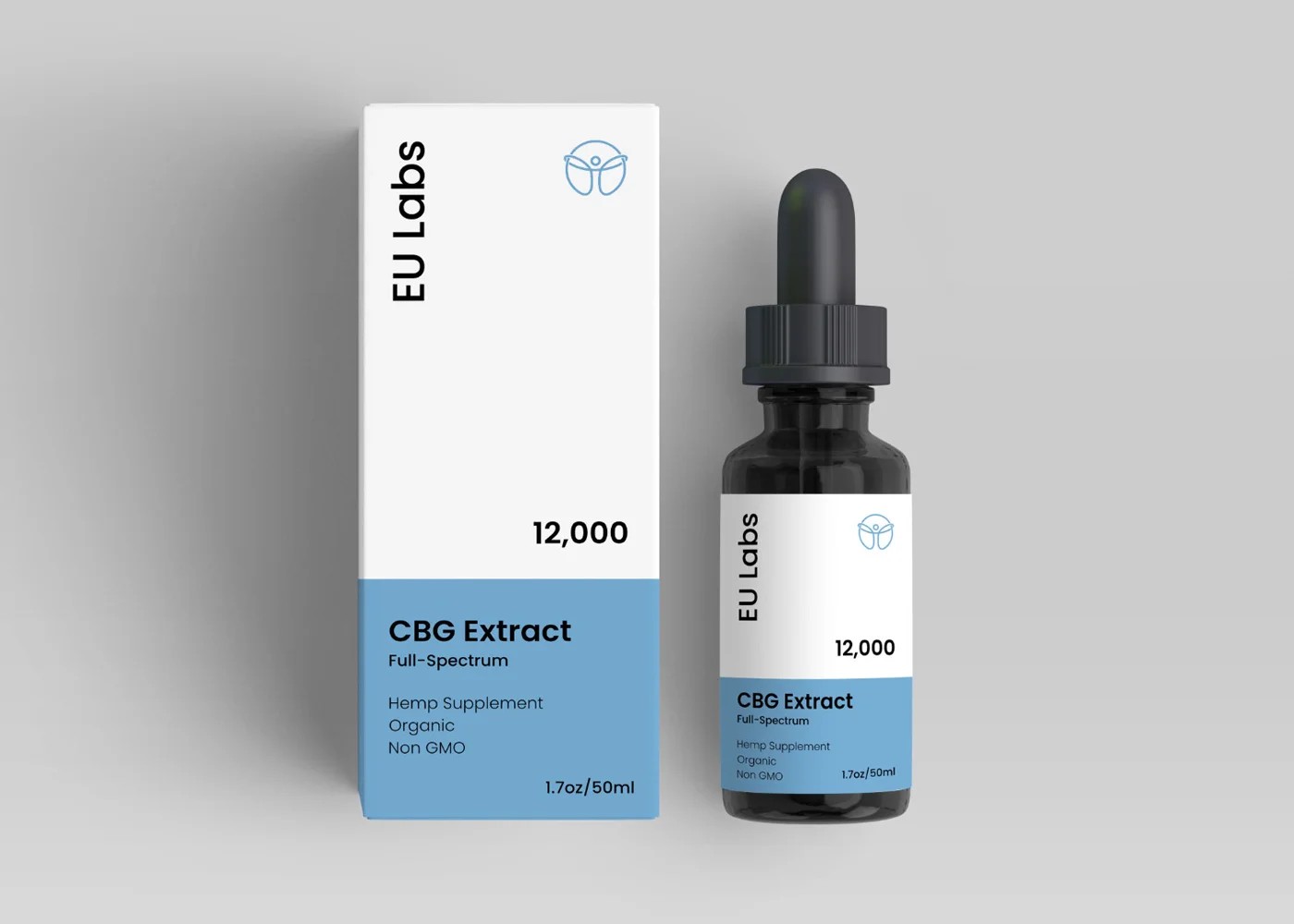
CBG Oil 12000mg – Cannabigerol
Cannabigerol — the cannabinoid the hemp plant uses to make the others as it grows. Less abundant than CBD, which is why CBG oils sit at a different price point. 12000mg in 50ml of MCT carrier (240mg per ml).
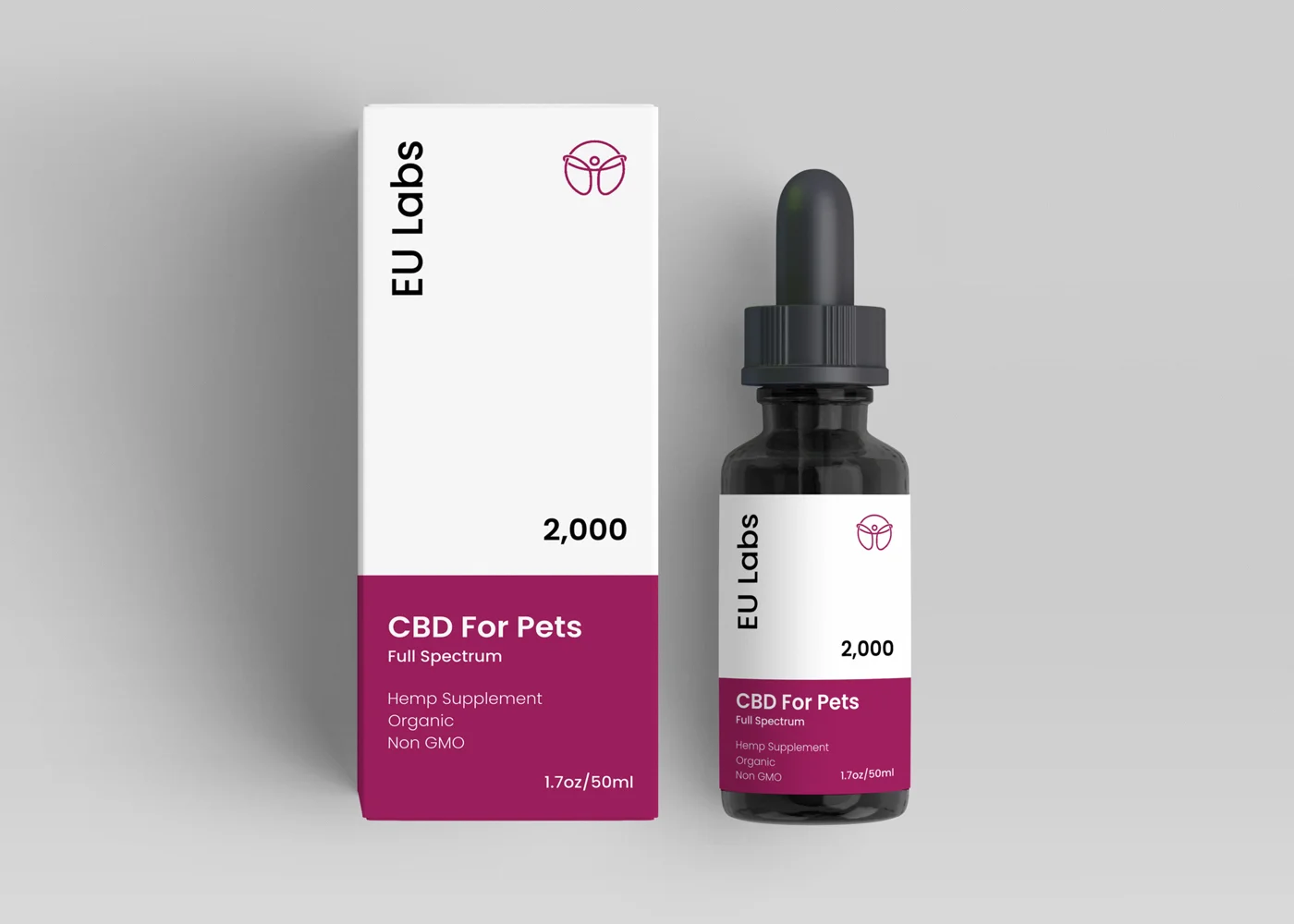
Pet CBD Oil 2000mg – Full Spectrum
Pet-formulated CBD oil — same hemp source as our human range, neutral MCT carrier, no human-targeted flavours or sweeteners. 2000mg in 50ml of MCT oil (40mg per ml). Best introduced under guidance from your vet.
Does Hemp Seed Oil Contain Any CBD?
In any meaningful sense, no. Hemp seeds do not contain significant concentrations of cannabidiol. The Australia New Zealand Food Standards Code specifies that food-grade hemp seed products must not contain CBD above 75mg per kilogram — a trace level, not a functional cannabinoid content. Cold-pressed hemp seed oil that meets food standards will not contain a meaningful amount of CBD, and it will not appear on a Certificate of Analysis for cannabinoid content.
The confusion in the market arises partly from ambiguous labelling — the word "hemp" appears on both products — and partly from marketing that uses "hemp" loosely. The plant is the same (Cannabis sativa L.); the part of the plant used, and what is extracted from it, are entirely different.
FraLa CBD's CBD Oil Range
FraLa CBD is a Byron Bay, NSW label. The products we sell are CBD oils — not hemp seed oils. Every bottle is a hemp-derived cannabidiol extract in MCT carrier, sourced from EU Labs and tested by an independent laboratory, batch by batch.
The range covers five families: full-spectrum CBD oil (trace THC under 0.3%), broad-spectrum CBD oil (0% THC), CBG oil (cannabigerol), CBN oil (cannabinol isolate, THC-free), and pet CBD oil. Browse the full range on the FraLa CBD shop.
For the composition differences within the CBD oil category, the full-spectrum vs broad-spectrum guide covers the processing and cannabinoid profile of each type. To understand how THC and CBD differ as compounds, the THC vs CBD explainer covers the chemistry.
FraLa CBD ships tracked Australia-wide from Byron Bay, NSW — including to Melbourne and Brisbane.
Common Questions About Hemp Oil vs CBD Oil in Australia
Is hemp oil the same as CBD oil in Australia? No. Hemp seed oil (often labelled "hemp oil") is a food product pressed from hemp seeds and contains no meaningful cannabinoid content. CBD oil is a cannabidiol extract from the flowers and leaves of the hemp plant and contains measurable cannabidiol in milligrams. They come from the same plant species but are entirely different products.
Does hemp seed oil contain CBD? In food-grade concentrations, no. The Australia New Zealand Food Standards Code allows hemp seed food products to contain up to 75mg/kg of CBD — a trace level, not a functional amount. A supermarket hemp seed oil is not a cannabidiol product.
Can I buy CBD oil without a prescription in Australia? Low-dose CBD products (up to 150mg per pack) meeting TGA Schedule 3 criteria can be supplied by a pharmacist without a prescription. Higher-dose products require a prescription. Hemp-derived CBD oils sold through online stores sit in a different category. The TGA website publishes current scheduling details.
What does "hemp extract" mean on a label? "Hemp extract" is an umbrella term that can refer to a CBD oil (cannabidiol extract from the aerial parts of the plant) or, less precisely, to a hemp-derived supplement. If the label includes a milligram figure for cannabidiol and a reference to a Certificate of Analysis, it is a CBD oil. If it lists no cannabinoid figures and is marketed as a food or cooking oil, it is most likely a hemp food product. Look for the cannabinoid milligrams — that is the tell.
FraLa CBD is an online CBD oil label based in Byron Bay, NSW. We describe product composition; we do not provide medical or regulatory advice. For questions about specific products, contact us at enquiries@franklauda.com.
Ordering from Byron Bay
FraLa CBD ships tracked orders to Byron Bay and across NSW — including Ballina, Lennox Head, Mullumbimby, Lismore. Orders are dispatched domestically, so there is no international customs step and no import paperwork for you to complete. Every bottle carries a batch number, and the matching Certificate of Analysis is available on request.
Hemp seed oil is not CBD oil
| Hemp seed oil | CBD oil | |
|---|---|---|
| Pressed or extracted from | Seeds | Leaves, stems, flowers |
| Cannabidiol content | None of note | The primary compound |
| Sold as | Food ingredient | Composition-described product |
| Shows on a COA | No cannabinoids | Full cannabinoid profile |
Both are legitimate products. They are not interchangeable, and the label should make clear which one you are buying.