THC (delta-9-tetrahydrocannabinol) and CBD (cannabidiol) are both cannabinoids produced by the Cannabis sativa plant, and they share an identical molecular formula — but the way their atoms are arranged differs, and that structural difference is the reason THC is psychoactive while CBD is not. Understanding the thc vs cbd distinction matters in Australia because the two compounds sit in different schedules of the Poisons Standard, which determines how and where each can be legally accessed. When choosing a hemp-derived CBD oil, the thc vs cbd difference also determines which product spectrum — full-spectrum or broad-spectrum — is the right fit. This guide covers the molecular composition, the Australian legal framework, and how each compound appears in the CBD oils sold by FraLa CBD from Byron Bay, NSW.
The Molecular Difference: Same Formula, Different Shape
THC and CBD are sometimes described as molecular siblings. Both carry the formula C21H30O2 — 21 carbon atoms, 30 hydrogen atoms, 2 oxygen atoms. At that level, they are identical. The difference is in how those atoms connect.
CBD is a bicyclic compound — its carbon skeleton forms two ring structures. THC is tricyclic — a third ring closes off a portion of the molecule that stays open in CBD. Where THC contains a cyclic ring formed by an oxygen bridge, CBD carries a hydroxyl group (–OH) at that position. That single structural point is where their pharmacological difference originates.
The structure of THC allows it to bind directly to CB1 receptors, which are concentrated in the brain — and that is the mechanism of its psychoactive property. CBD does not directly stimulate CB1 receptors in the same way. It interacts with the cannabinoid receptor system through indirect pathways and does not produce intoxicating effects.
For composition purposes: THC = psychoactive cannabinoid; CBD = non-psychoactive cannabinoid. That single structural difference drives everything else in the thc vs cbd comparison — the plant varieties bred for each, the legal schedules that apply, and how each compound is handled in product formulation.
THC and CBD in the Cannabis Plant
Both THC and CBD come from Cannabis sativa L. — the same plant species. The plant produces a precursor compound called cannabigerolic acid (CBGA), which plant enzymes then direct into either THCA (the acid precursor to THC) or CBDA (the acid precursor to CBD). Heat — through drying and processing — converts the acid forms into active THC and CBD.
The ratio of THC to CBD depends on the plant's genetics. Hemp — the low-THC variety of Cannabis sativa — is cultivated to be high in CBD and very low in THC. Industrial hemp in Australia is grown under licences that specify maximum THC thresholds. Cannabidiol is typically the dominant cannabinoid; THC is a trace.
Higher-THC cannabis varieties used in prescription medical products are bred toward the opposite profile — elevated THC with CBD as a secondary compound. Some strains sit in between.
The raw material for FraLa CBD's hemp-derived CBD oils is hemp: low-THC, CBD-dominant plant material sourced through EU Labs in Amsterdam. The oils start as whole-plant hemp extracts and are processed differently depending on the product family.
How Australian Law Schedules THC and CBD
The Therapeutic Goods Administration (TGA) is Australia's regulator for therapeutic substances. Under the Poisons Standard (SUSMP), THC and CBD sit in different schedules.
CBD under Australian law:
Low-dose, high-purity cannabidiol — at least 98% CBD, no more than 1% THC, up to 150mg of CBD per pack — can be classified as Schedule 3 (Pharmacist Only Medicine). A pharmacist can supply it without a prescription but must conduct a consultation. Only products formally registered on the Australian Register of Therapeutic Goods (ARTG) qualify; very few are registered as at 2025.
Higher-dose CBD, or products with THC above the Schedule 3 threshold, fall under Schedule 4 (Prescription Only Medicine) — a doctor's prescription is required.
THC under Australian law:
Delta-9 THC is a Schedule 8 Controlled Drug when present above certain thresholds. Prescription medical cannabis products containing meaningful THC are typically Schedule 8, subject to strict prescribing and dispensing controls. Lower-THC products combined with CBD may be Schedule 4, depending on composition.
Hemp-derived trace THC:
Full-spectrum CBD oil made from hemp contains trace THC under 0.3% — well below the thresholds that trigger Schedule 8 classification. This trace THC is a natural constituent of whole-plant hemp extract; it is not added. The 0.3% figure is the standard used in Australian hemp regulation.
For the complete Australian legal framework, including the Special Access Scheme and the Schedule 3 pathway, see FraLa CBD's guide to CBD oil laws in Australia.
THC and CBD in Our Products: Full-Spectrum vs Broad-Spectrum
The thc vs cbd composition difference translates directly into how FraLa CBD's product families are formulated and what each batch's Certificate of Analysis (COA) shows. This is where the abstract chemistry becomes practical: the THC vs CBD question determines which product label — full-spectrum or broad-spectrum — is accurate for your batch.
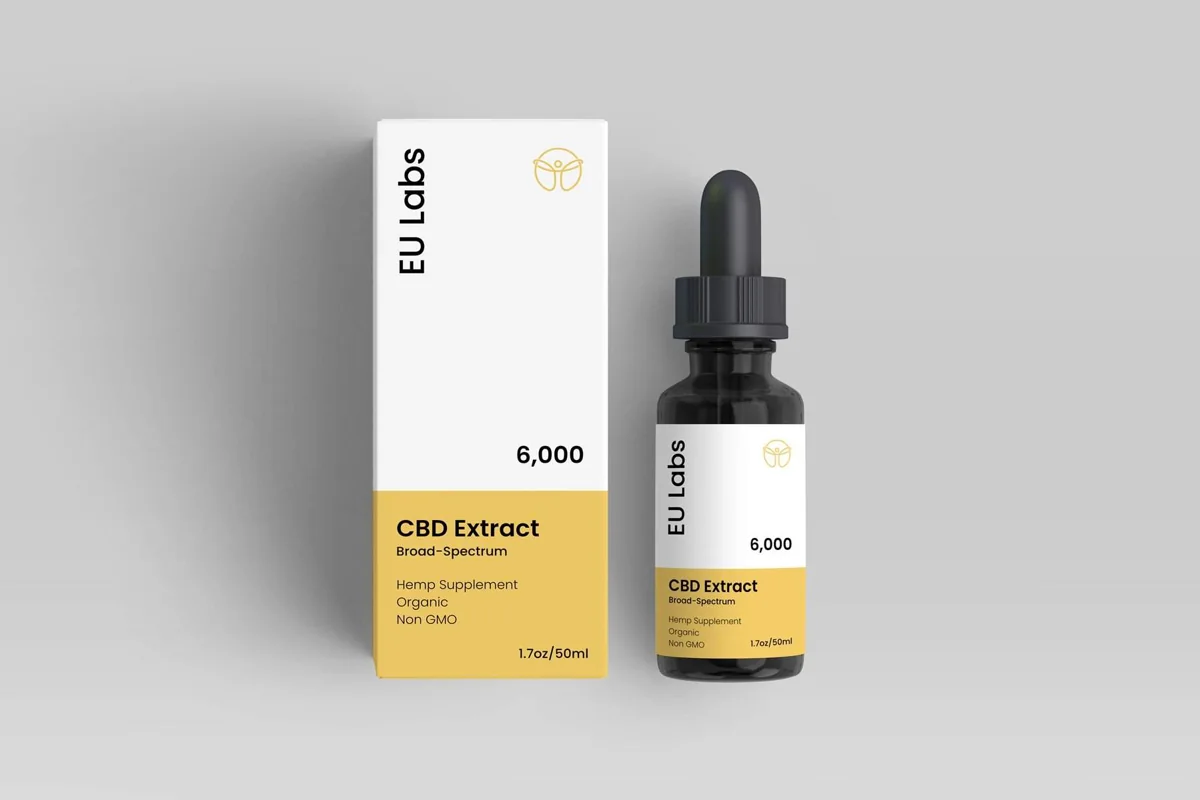
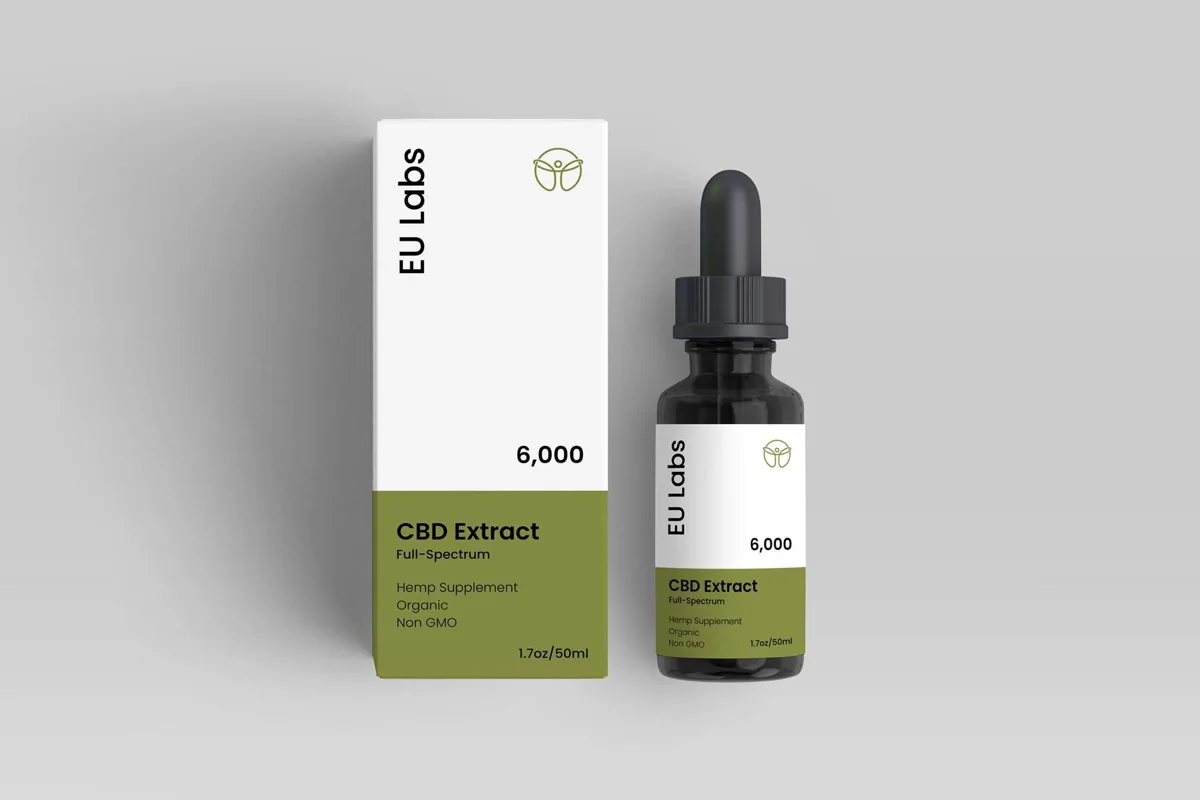
Full-spectrum CBD oil is a whole-plant hemp extract that keeps every compound from the plant material — cannabidiol as the primary compound, minor cannabinoids (CBG, CBC, CBN), terpenes, and a trace of delta-9 THC under 0.3%. Nothing is stripped after extraction. The THC level is confirmed on every batch COA.
Broad-spectrum CBD oil starts from the same whole-plant hemp extract but goes through an additional step that specifically removes delta-9 THC. After processing, the THC reads 0% THC — not detected — on the COA. Everything else in the extract — CBD, minor cannabinoids, terpenes — stays.
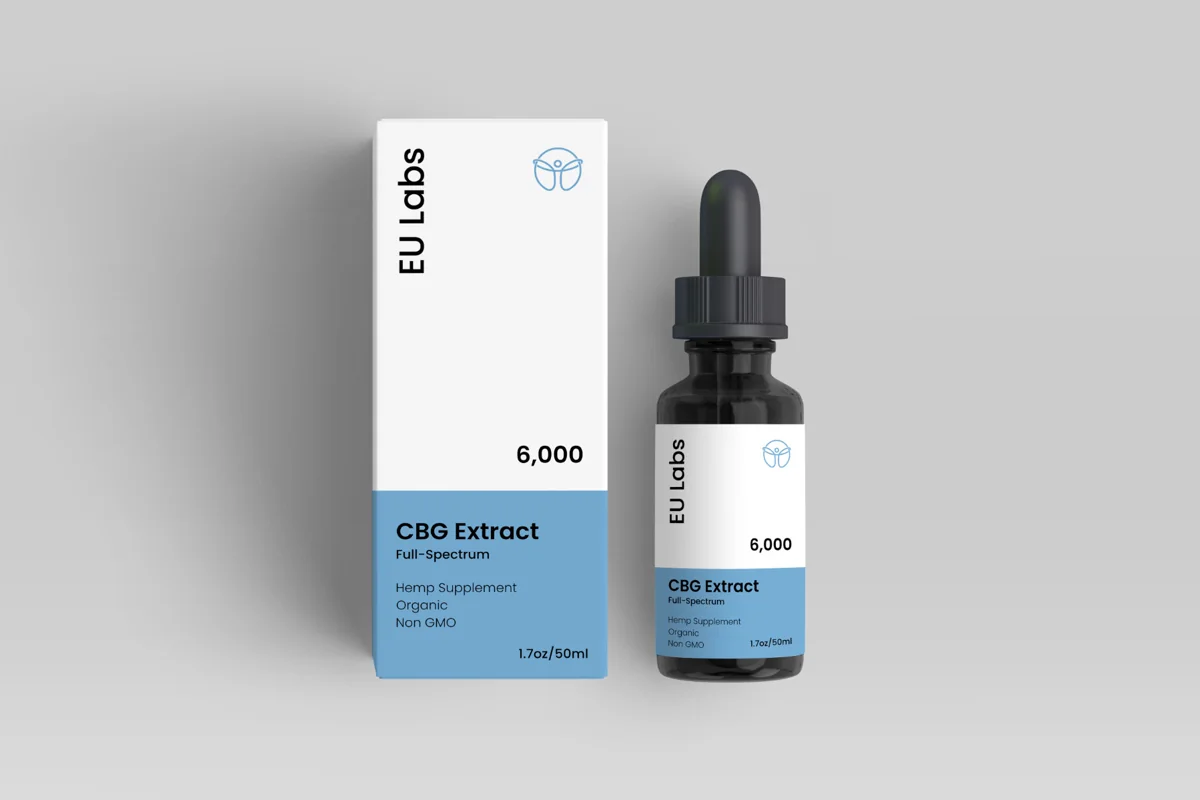
CBN oil from FraLa CBD is a cannabinol isolate — THC-free by formulation. The CBG oil features cannabigerol as its primary compound, also processed to be THC-free.
For a detailed comparison of the two main oil families — price tiers, strength options and serving sizes — see the full-spectrum vs broad-spectrum CBD oil guide, or browse the range at the FraLa CBD shop.
From our CBD oil range
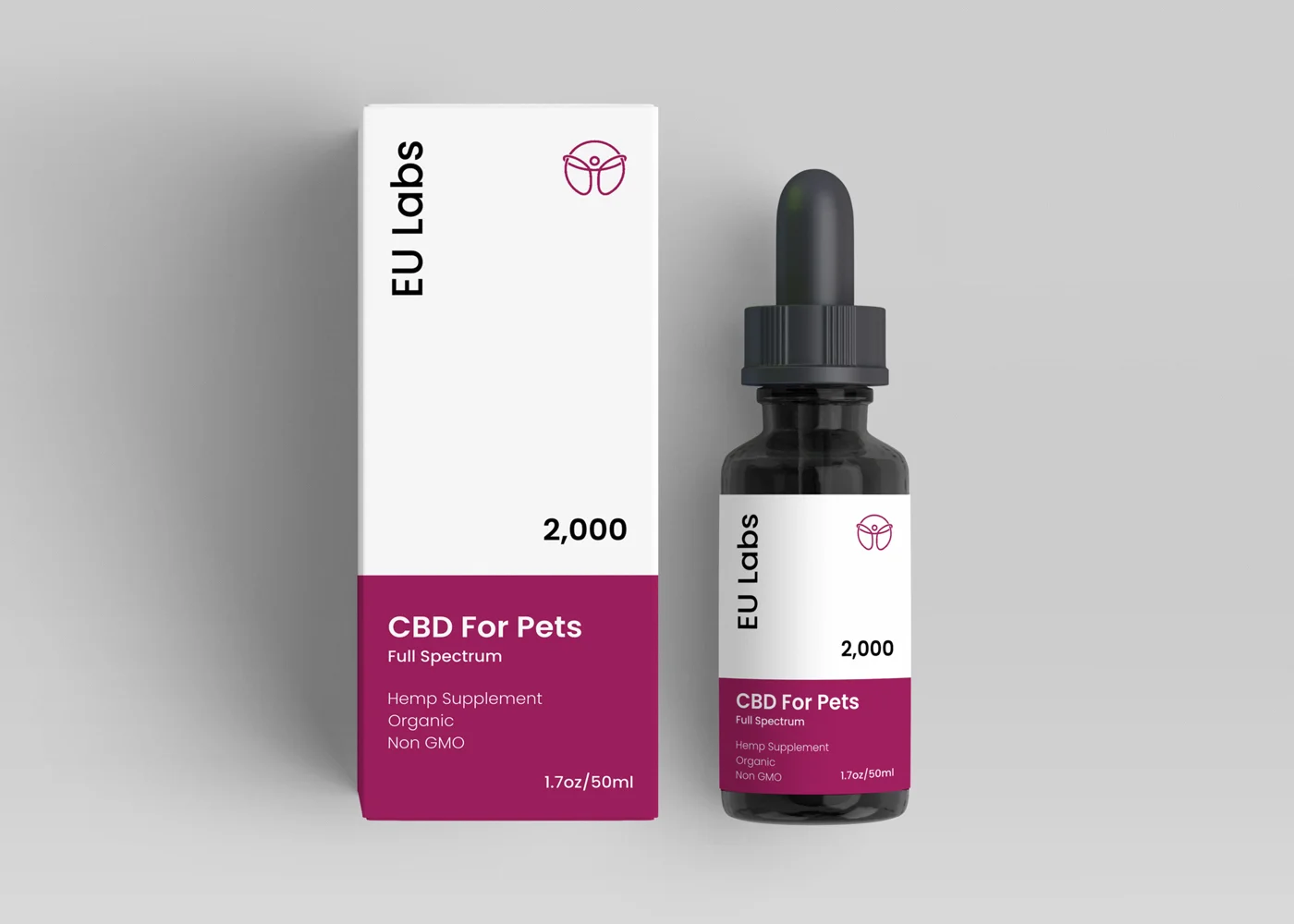
Pet CBD Oil 2000mg – Full Spectrum
Pet-formulated CBD oil — same hemp source as our human range, neutral MCT carrier, no human-targeted flavours or sweeteners. 2000mg in 50ml of MCT oil (40mg per ml). Best introduced under guidance from your vet.
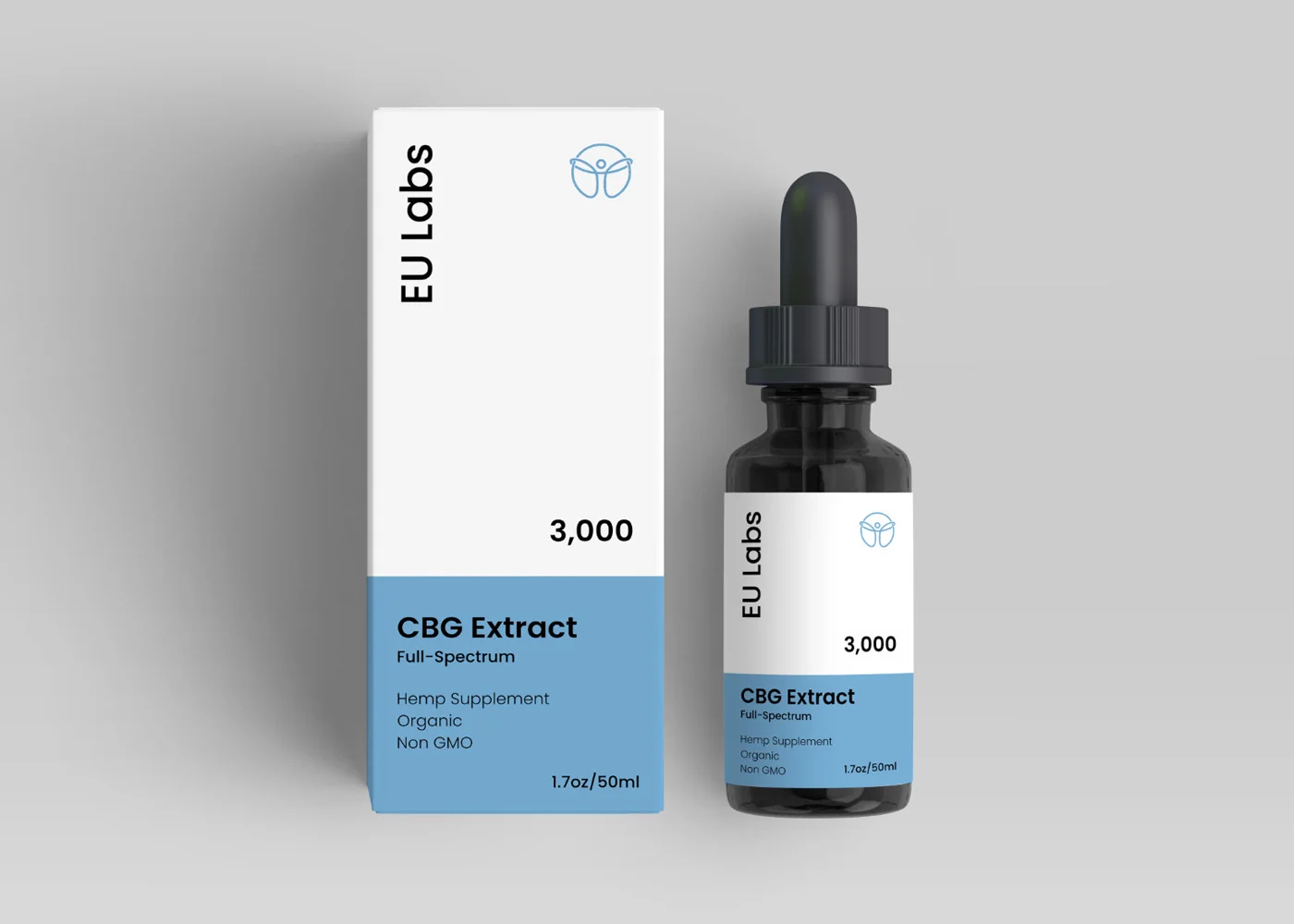
CBG Oil 3000mg – Cannabigerol
Cannabigerol — the cannabinoid the hemp plant uses to make the others as it grows. Less abundant than CBD, which is why CBG oils sit at a different price point. 3000mg in 50ml of MCT carrier (60mg per ml).
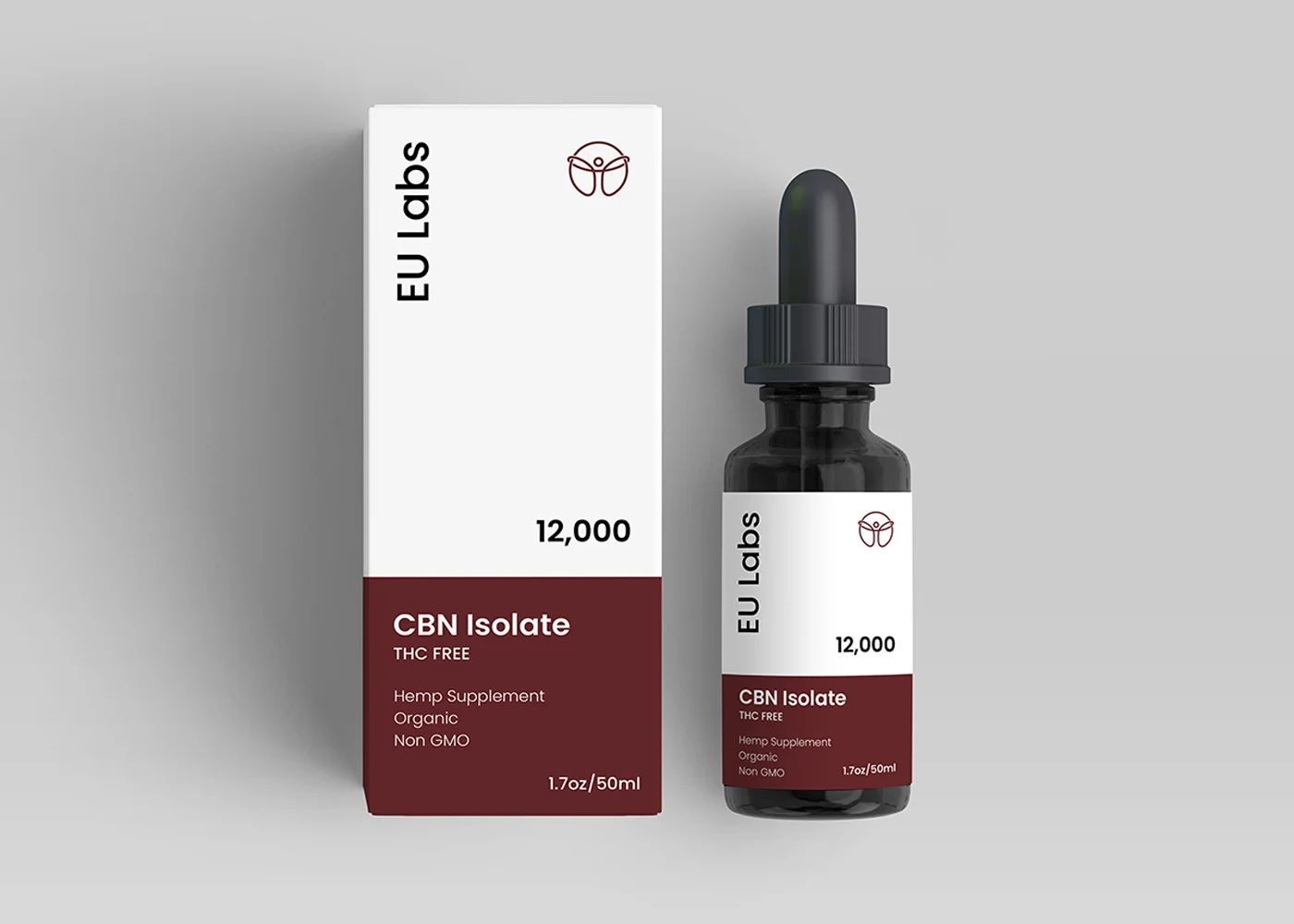
CBN Oil 12000mg – Cannabinol
Cannabinol — the cannabinoid that forms as raw hemp ages. 12000mg of CBN isolate in 50ml of MCT oil (240mg per ml). A common choice for evening routines among people already familiar with CBD.
How THC Appears on a Certificate of Analysis
Every batch of oil sold by FraLa CBD is tested by an independent laboratory. The Certificate of Analysis (COA) records those results — and it is where the exact THC level for your specific batch is confirmed.
On a typical COA for a CBD oil, the cannabinoid profile section lists each detected compound with its measured concentration. Delta-9 THC (sometimes written as Δ9-THC) is listed separately from CBD and from other minor cannabinoids. For a full-spectrum CBD oil, you should see a THC figure below 0.3%. For a broad-spectrum CBD oil, the THC field should read 0.00% or ND (not detected).
ND means the compound was below the laboratory's limit of detection for that method. On a broad-spectrum product, ND is the expected result.
The THC figure on a COA is a measured result from that specific batch sample — not a label claim or estimate. It is what distinguishes a full-spectrum product (trace THC present, below 0.3%) from a broad-spectrum one (THC not detected) in a verifiable, batch-specific way. This is the practical output of the thc vs cbd separation process in product manufacturing.
To request your batch COA, email enquiries@franklauda.com with the lot number from your bottle. For a plain-language explanation of every COA section — cannabinoid profile, THC percentage, contaminant screen, accreditation — read the FraLa CBD guide to reading a Certificate of Analysis.
Common Questions About THC vs CBD
Is CBD psychoactive? Cannabidiol is non-psychoactive. It does not directly bind CB1 receptors in the brain the way delta-9 THC does, and it does not produce an intoxicating effect. This is a structural property of the CBD molecule, not a health claim.
Does full-spectrum CBD oil get you high? No. Full-spectrum CBD oil contains trace THC under 0.3%, confirmed by the batch COA. At or below 0.3%, THC is present at a non-intoxicating trace level. That is the standard used in Australian hemp regulation as the threshold for low-THC hemp products.
What does "THC under 0.3%" mean in a hemp product? It means the delta-9 THC content measured in that batch is below 0.3% by weight — a composition fact confirmed by the COA. For context, prescription medical cannabis products may carry 15–30% THC or more. The trace in full-spectrum hemp oil is a different order of magnitude entirely.
Does FraLa CBD sell THC products? No. FraLa CBD is a hemp-derived CBD oil store, shipping from Byron Bay, NSW to buyers across Australia. Full-spectrum CBD oil contains trace THC under 0.3% as a natural constituent of whole-plant hemp. Broad-spectrum CBD oil contains 0% THC. We do not sell prescription medical cannabis, Schedule 8 products, or any product with meaningful THC content.
FraLa CBD ships hemp-derived CBD oils across Australia from Byron Bay, NSW. Browse the full range — full-spectrum, broad-spectrum, CBG, CBN and pet CBD oil — at the FraLa CBD shop. For city-specific delivery information, see CBD oil Sydney.
Byron Bay orders and shipping
For buyers in Byron Bay, this range ships domestically with tracking to Byron Bay and across NSW — including Ballina, Lennox Head, Mullumbimby, Lismore. FraLa CBD lists each product by composition — strength, spectrum and carrier oil — and supplies the batch Certificate of Analysis when you ask for it.
Comparing any two CBD oils
| Check | Why it matters |
|---|---|
| mg per millilitre | The only fair way to compare price between bottle sizes |
| Spectrum | Full, broad and isolate are different products |
| THC figure on the COA | A measured result, not a marketing claim |
| Batch-specific testing | A COA must match your lot number |
| Where it ships from | Domestic dispatch avoids the customs step |