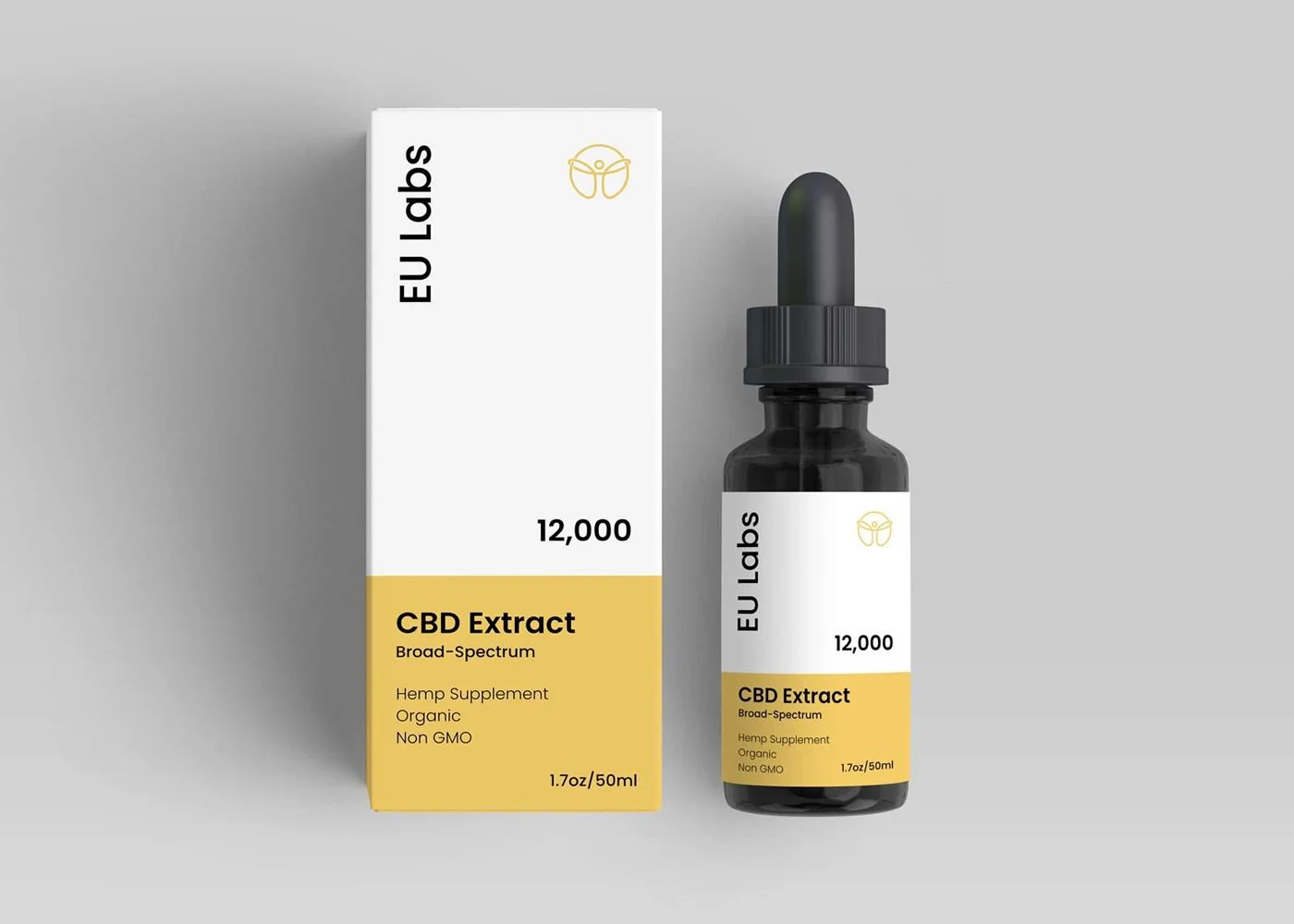
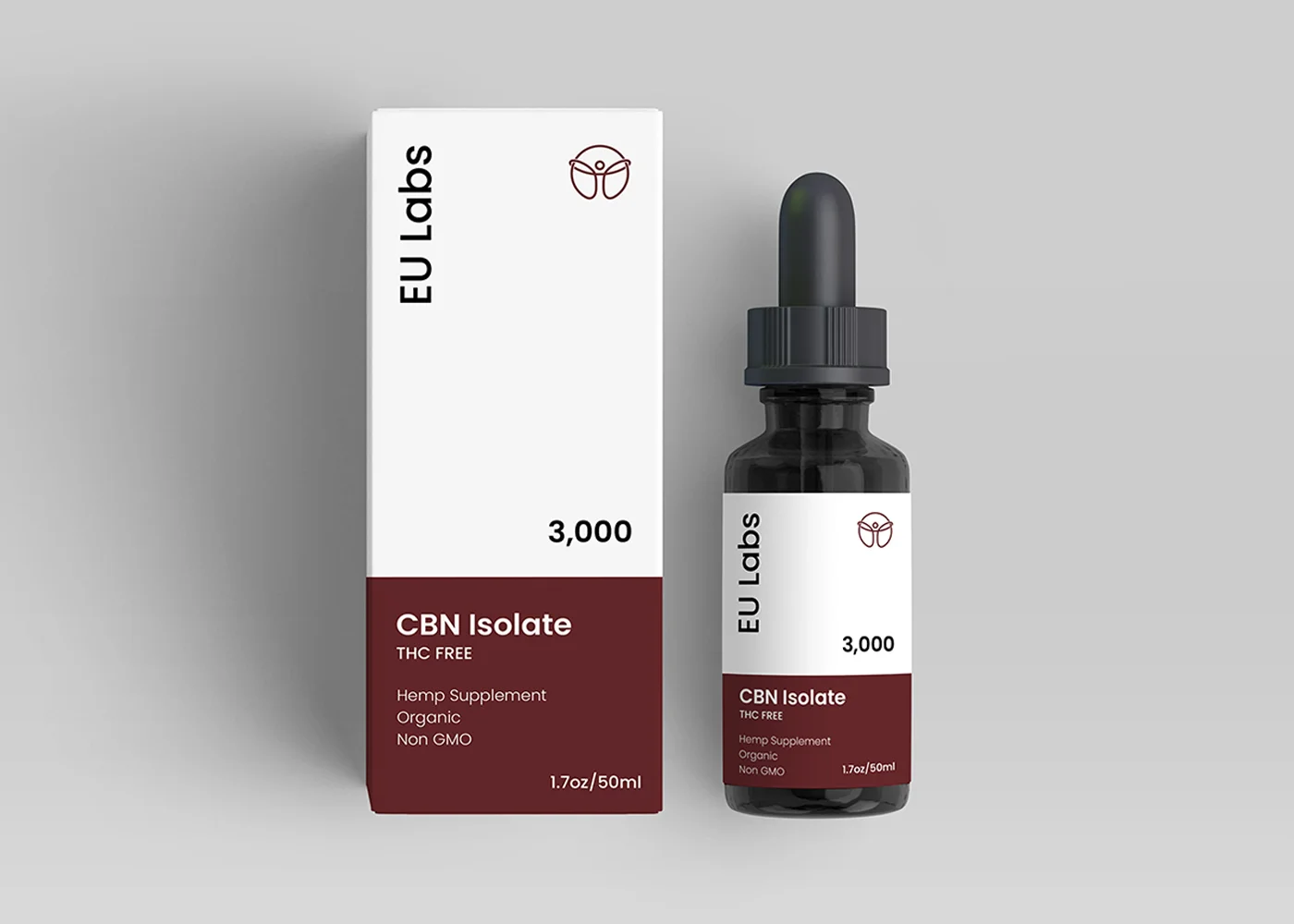
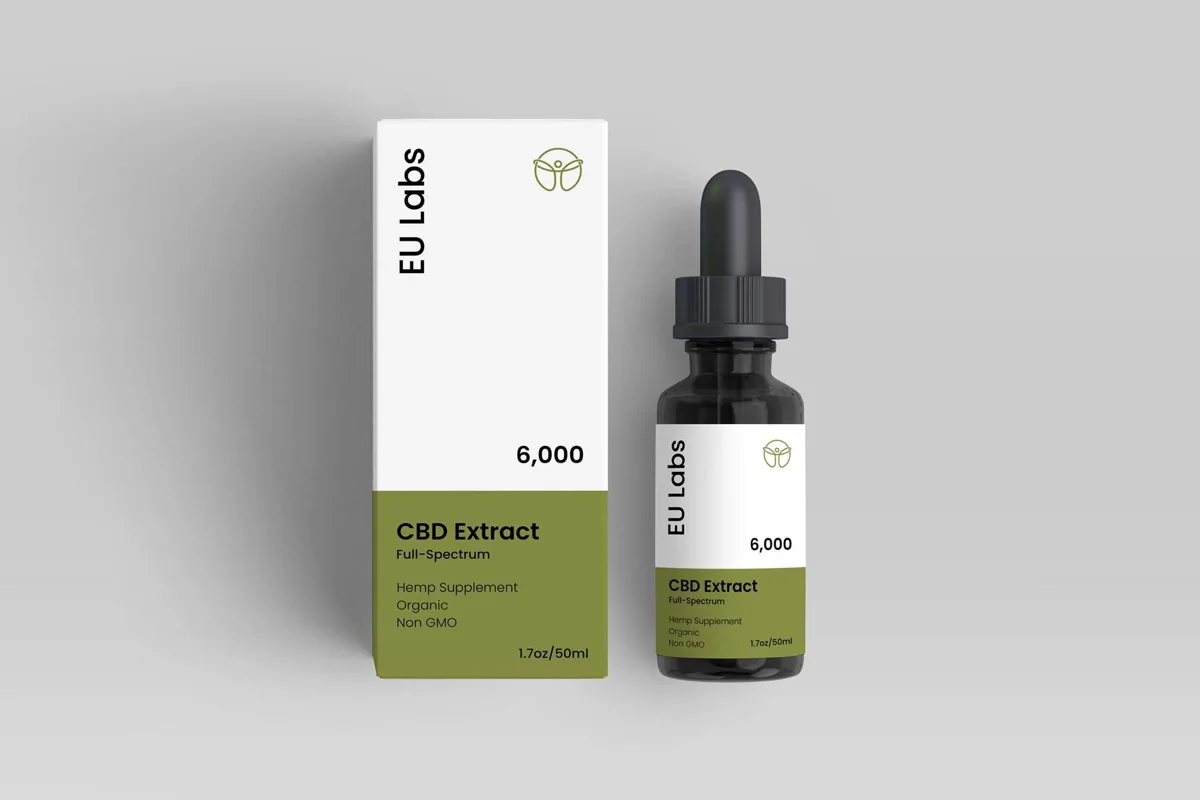
CBG oil is a hemp extract where cannabigerol (CBG) is the primary cannabinoid, rather than cannabidiol (CBD). CBG is the cannabinoid the hemp plant produces first — before enzymatic processes convert it into CBD, THC, CBN and CBC as the plant matures. That is why it carries the name "mother cannabinoid": not because of what it does in the body, but because of what it becomes in the plant. FraLa CBD stocks CBG oil in four strengths — 1000mg, 3000mg, 6000mg and 12000mg — all confirmed THC-free and shipped tracked across Australia. Browse the full CBG oil range at the FraLa CBD shop.
What Is Cannabigerol (CBG)?
Cannabigerol, abbreviated CBG, is a naturally occurring cannabinoid in the hemp plant (Cannabis sativa L.). It is one of over 100 identified cannabinoids, each with a distinct molecular structure. CBG is non-psychoactive — it does not produce an intoxicating effect and is not associated with the high produced by THC.
In the botanical sequence of hemp development, CBG appears in its acidic form — cannabigerolic acid (CBGA) — before any other major cannabinoid. The plant uses CBGA as the chemical starting material from which it builds most of its cannabinoid profile. The enzymatic steps that follow determine how much of each cannabinoid the finished plant contains.
Because most of the CBGA is converted into other compounds during the plant's life cycle, mature hemp plants typically contain less than 1% cannabigerol by total cannabinoid weight. This scarcity relative to CBD is one reason why CBG oil is extracted from specialist hemp strains rather than from the same mature crops used for a standard CBD oil.
The label "mother cannabinoid" has entered common use precisely because of this botanical role: CBG (via CBGA) is the origin compound — the raw material the plant transforms into its full cannabinoid profile. It is a biosynthesis description, not a therapeutic one.
How the Hemp Plant Makes and Converts CBG
Understanding why CBG oil is a distinct product requires following the plant's internal chemistry as it develops.
Early in the growth cycle, the hemp plant synthesises cannabigerolic acid (CBGA), which accumulates in the trichomes — the small glandular structures on the plant surface. This is the period when hemp strains bred for high CBG content are most productive. As the plant matures, three enzyme pathways activate:
- THCA synthase converts CBGA into tetrahydrocannabinolic acid (THCA), the precursor to THC
- CBDA synthase converts CBGA into cannabidiolic acid (CBDA), the precursor to CBD
- CBCA synthase converts CBGA into cannabichromenic acid (CBCA), the precursor to CBC
Whatever CBGA is not converted by these pathways remains or decarboxylates to CBG under heat and light. In a fully mature plant, most of the original CBGA has already been redirected — which is why standard hemp crops contain very little CBG.
Producers of CBG oil use two main strategies: selecting strains bred with lower activity in the THCA/CBDA conversion pathways, and harvesting earlier in the growth cycle before enzymatic conversion reaches completion. Both approaches typically require more plant material per unit of extract, which is reflected in the pricing of CBG oil relative to equivalent-strength CBD oil.
CBG vs CBD — Two Different Molecules, One Plant
CBG and CBD are both cannabinoids from hemp, both non-psychoactive, and both available as oil extracts in an MCT carrier. Beyond those similarities, they are chemically distinct compounds with different roles in biosynthesis.
CBD (cannabidiol) is the primary cannabinoid in mature hemp. In a full-spectrum CBD oil or broad-spectrum CBD oil, cannabidiol is what the strength figure refers to — the stated milligrams in the bottle. Minor cannabinoids including trace CBG are present alongside the dominant CBD in spectrum products. For the compositional differences between full and broad-spectrum, see the FraLa CBD full-spectrum vs broad-spectrum guide.
CBG (cannabigerol) is the primary cannabinoid in a CBG oil. In this product, CBG occupies the role that CBD holds in a CBD oil — it is what the stated milligrams refer to. A 3000mg CBG oil contains 3000mg of cannabigerol; the CBD figure on the Certificate of Analysis for this product will be low or not detected.
The practical point: CBG oil is not a type of CBD oil with added CBG. It is a separate product family produced from a different extraction focus, with a different primary compound. You are not substituting one for the other — you are choosing which cannabinoid is primary in your extract.
CBG Oil and THC — What the Certificate of Analysis Confirms
A natural question when buying any hemp extract in Australia: does it contain THC? For FraLa CBD CBG oil, the answer is clear — our CBG oil is confirmed 0% THC on the batch-specific Certificate of Analysis (COA).
The plant-chemistry reason: a CBG-targeted extraction is drawn from material where THCA conversion has been minimised, and the process is directed at cannabigerol specifically. The resulting oil carries CBG as the primary compound, and the THC line on the COA reads ND (not detected) or 0.00%.
How to identify this on a COA: in the cannabinoid profile section, you should see cannabigerol (CBG) as the dominant figure — the concentration that corresponds to the stated label strength (e.g., a 1000mg bottle in 50ml should show approximately 20mg/ml). The CBD figure will be low or not detected. Delta-9 THC should read ND or 0.00%.
This contrasts with:
- Full-spectrum CBD oil: CBD primary; THC present at < 0.3%; minor cannabinoids including trace CBG present
- Broad-spectrum CBD oil: CBD primary; 0% THC; minor cannabinoids retained
For a full explanation of how to read each section of a lab report, see the FraLa CBD Certificate of Analysis guide. For a compositional comparison of THC and CBD as molecules, see the THC vs CBD guide.
To request the COA for your specific bottle, email enquiries@franklauda.com with the lot number from the base of your bottle.
CBG Oil at FraLa CBD — Strengths and Specifications
FraLa CBD stocks CBG oil in four strengths, all in a 50ml MCT carrier bottle with a 0.5ml dropper. At 0.5ml per serving and 100 servings per bottle, the per-serving CBG content scales with the strength:
| Strength | CBG per serving (0.5ml) | Price (AUD) |
|---|---|---|
| 1000mg | 10mg | $69.00 |
| 3000mg | 30mg | $140.00 |
| 6000mg | 60mg | $230.00 |
| 12000mg | 120mg | $340.00 |
All four are sourced from EU Labs in Amsterdam, third-party tested per batch. The MCT carrier is coconut-derived, neutral and alcohol-free. Every bottle carries a lot number that matches its batch COA — available on request at enquiries@franklauda.com.
FraLa CBD ships tracked from Byron Bay, NSW to every state and territory. Whether you are in Ballina, Lennox Head, Mullumbimby, Lismore, Tweed Heads or further afield — CBD oil Darwin, CBD oil Hobart — the same four CBG oil strengths are available at the same price. Browse the FraLa CBD shop for the full range.
For adults 18+ only. Not for use during pregnancy or breastfeeding.
From our CBD oil range
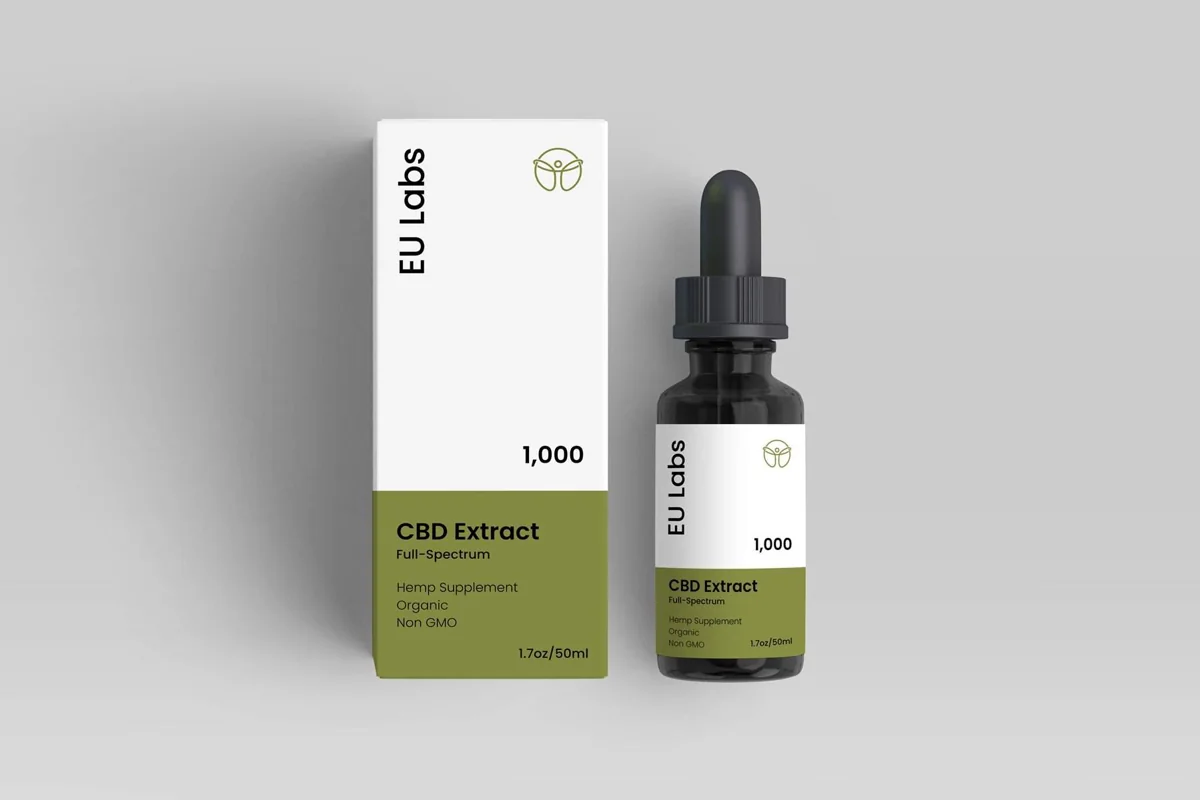
CBD Oil 1000mg – Full Spectrum
The whole-hemp profile — CBD alongside the smaller cannabinoids and terpenes from the same extraction. Trace THC stays under 0.3%. 1000mg in 50ml of MCT oil (20mg per ml).
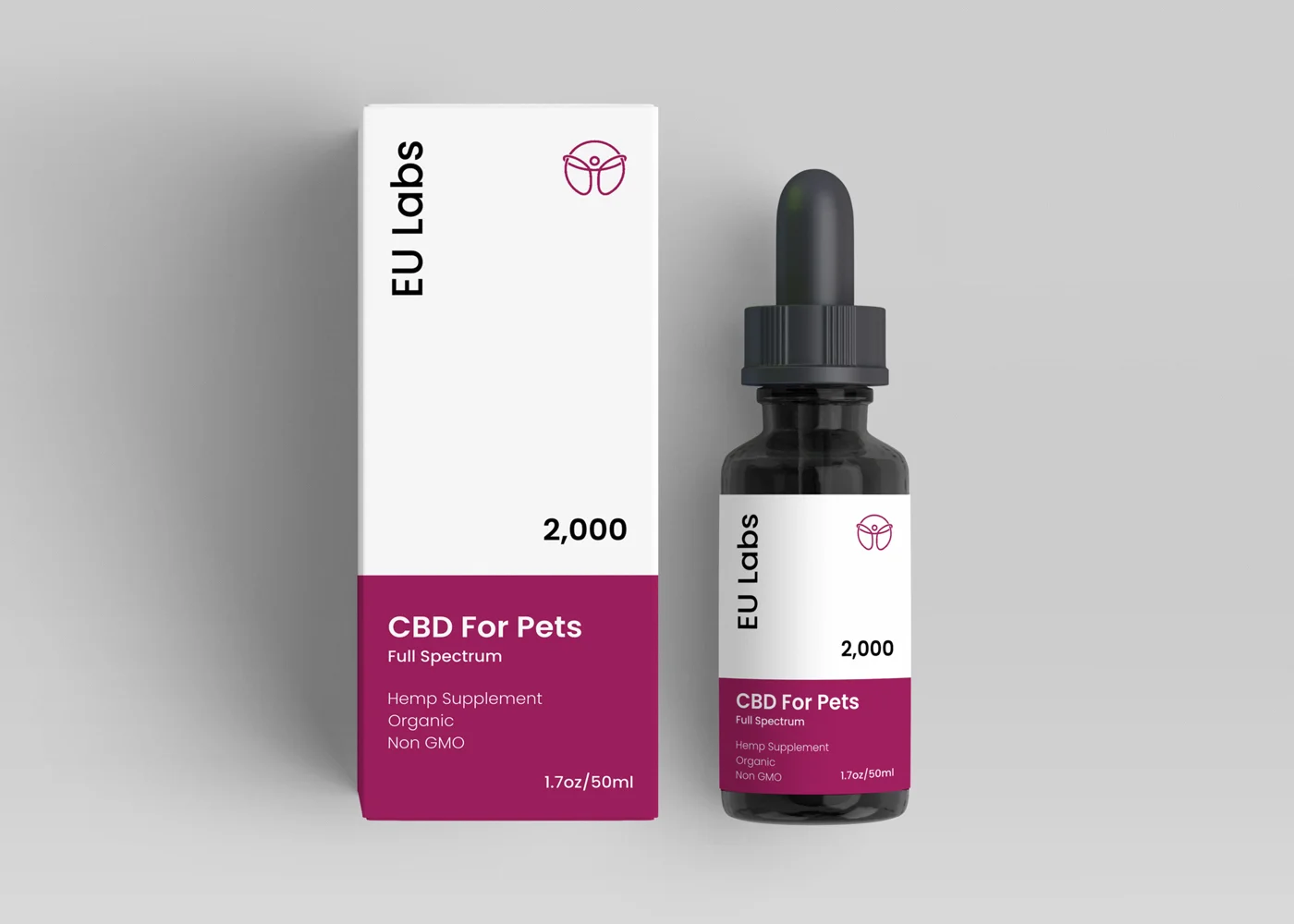
Pet CBD Oil 2000mg – Full Spectrum
Pet-formulated CBD oil — same hemp source as our human range, neutral MCT carrier, no human-targeted flavours or sweeteners. 2000mg in 50ml of MCT oil (40mg per ml). Best introduced under guidance from your vet.
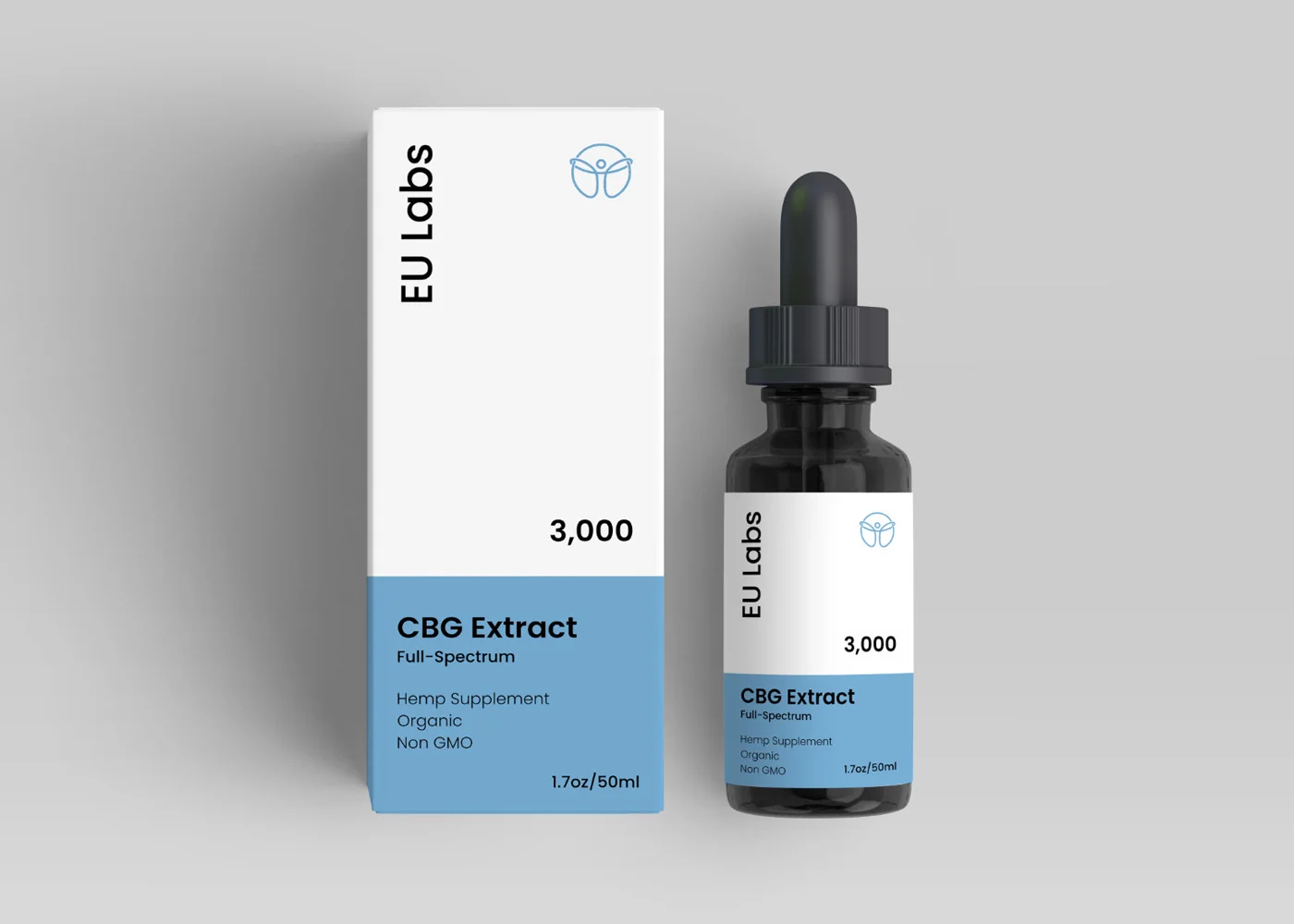
CBG Oil 3000mg – Cannabigerol
Cannabigerol — the cannabinoid the hemp plant uses to make the others as it grows. Less abundant than CBD, which is why CBG oils sit at a different price point. 3000mg in 50ml of MCT carrier (60mg per ml).
CBG, CBN, and the Minor Cannabinoid Landscape
CBG and CBN (cannabinol) are both minor cannabinoids in mature hemp, and both available as primary-compound extracts at FraLa CBD. They are unrelated in origin.
CBG (via CBGA) is the earliest compound in hemp's cannabinoid biosynthesis — the one that converts into the others. It is most abundant when the plant is young.
CBN forms after the plant has matured. When THC in harvested or aged plant material is exposed to heat, light or oxygen over time, it oxidises and converts to cannabinol. CBN is therefore a product of THC degradation, not a biosynthesis precursor. The CBN oil in our range is a THC-free isolate — cannabinol as the sole primary compound, with THC removed and confirmed at 0% on the COA.
Neither CBG nor CBN is interchangeable with CBD or with each other. They are separate molecules, separate product families, produced by different processes from the same plant. For more on the CBN side of the range, see our CBN oil range.
Common Questions About CBG Oil in Australia
What does CBG stand for? CBG stands for cannabigerol — a cannabinoid found in the hemp (Cannabis sativa L.) plant. Its acidic precursor form is CBGA (cannabigerolic acid).
Is CBG oil the same as CBD oil? No. In a CBG oil, cannabigerol is the primary compound; in a CBD oil, cannabidiol is primary. The two cannabinoids have different molecular structures and different roles in hemp biosynthesis. A CBG oil at 1000mg contains 1000mg of cannabigerol — not CBD. They are not interchangeable product families.
Is CBG oil legal in Australia? Hemp-derived CBG oil is non-psychoactive and contains no THC. The Therapeutic Goods Administration (TGA) regulates cannabinoid products in Australia under the Poisons Standard. For specific questions about the regulatory status of hemp-derived cannabinoid products, the TGA website is the authoritative source.
Does FraLa CBD's CBG oil contain THC? No. Every batch is third-party tested, and the COA confirms 0% THC (not detected). The lot number on your bottle matches the batch record; email enquiries@franklauda.com to request your document.
FraLa CBD is a Byron Bay, NSW label. We sell hemp-derived cannabinoid oils online and do not give medical or dosing advice. These products are for adults 18+ only.
Ordering from Byron Bay
FraLa CBD ships tracked orders to Byron Bay and across NSW — including Ballina, Lennox Head, Mullumbimby, Lismore. Orders are dispatched domestically, so there is no international customs step and no import paperwork for you to complete. Every bottle carries a batch number, and the matching Certificate of Analysis is available on request.
How the minor cannabinoids differ
| CBD | CBG | CBN | |
|---|---|---|---|
| Full name | Cannabidiol | Cannabigerol | Cannabinol |
| Where it comes from | Most abundant in hemp | The precursor the plant makes first | Forms as hemp ages |
| Relative abundance | High | Low | Low |
| Typical price per mg | Lowest | Higher | Higher |
Abundance is why CBG and CBN oils sit at a different price point to CBD.